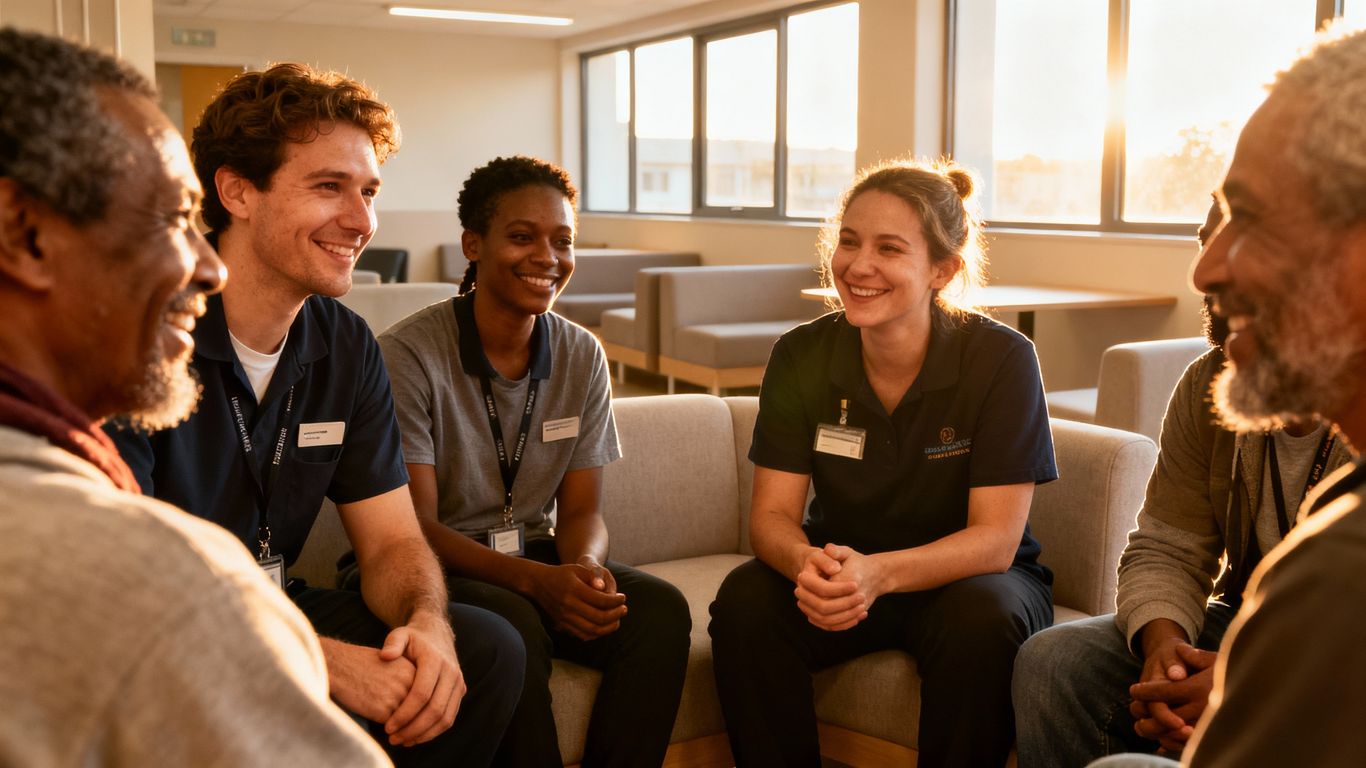
Bridging the Digital Divide: Homelessness and Online Access in the UK

It's easy to take our online access for granted, but for many people in the UK, getting online is a real struggle. This digital exclusion affects a surprising number of us, particularly those facing homelessness. We need to look at why this happens and what we can do to help bridge this gap, making sure everyone can connect and access the services they need.
Key Takeaways
- Millions in the UK face digital exclusion due to lack of affordable devices, data, and reliable internet access, with those experiencing homelessness being particularly vulnerable.
- Improving digital inclusion requires a multi-faceted approach, including providing accessible devices and data, simplifying public digital services, and offering tailored support.
- Building confidence and trust in digital tools is just as important as access; community-led training and support networks play a vital role in encouraging online participation.
Understanding Digital Exclusion In The UK

It's a bit of a shock when you realise just how many people in the UK are struggling to get online. We're talking about millions who are either completely offline or find it really hard to use digital services. This isn't just about not being able to scroll through social media; it means missing out on a lot of important stuff. Think about booking doctor's appointments, applying for jobs, or even just managing your bank account. For people experiencing homelessness, this digital gap can make an already tough situation even harder, creating further barriers to accessing vital support and information. Homelessness significantly impacts how individuals interact with digital technology.
Barriers To Digital Inclusion
So, why are so many people left behind? Well, it's not just one thing. For many, the cost of internet access and having a device is just too high. It's a real struggle to afford broadband and data when you're on a tight budget. Then there are the skills themselves. Not everyone grew up with computers and smartphones, and learning new tech can feel daunting. We also see issues with accessibility; some websites and apps aren't designed with everyone in mind, making them difficult to use, especially for those with disabilities.
- Cost of devices and data
- Lack of digital skills and confidence
- Accessibility issues with online platforms
- Limited access to reliable internet
The digital world moves fast, and keeping up can be a challenge. Without the right tools or knowledge, people can quickly feel overwhelmed and disconnected from essential services and social networks.
Demographic Groups Most Affected By Digital Exclusion
While digital exclusion can affect anyone, some groups are more likely to be on the wrong side of the digital divide. Low-income households often can't afford the ongoing costs of internet access. Older people, while not universally excluded, are less likely to be regular internet users compared to younger generations. Disabled individuals may face both affordability issues and challenges with the usability of digital tools. We also see people who are unemployed or seeking work struggling to afford the necessary technology to even look for jobs online. It's a complex picture, and often, people face several of these barriers at once.
- Low-income households
- Older people
- Disabled individuals
- Those experiencing unemployment
- Young people not in education, employment, or training (NEET)
Addressing The Digital Divide For Vulnerable Populations
We know that a significant number of people in the UK are struggling to get online, and this often hits those who are already facing difficulties the hardest. It's not just about not having the latest gadget; it's about being cut off from essential services, job opportunities, and even staying in touch with loved ones. We need to make sure that everyone, no matter their circumstances, can access the digital world.
Tackling Data And Device Poverty
One of the biggest hurdles we see is simply not being able to afford internet access or the devices needed to get online. This is often called data and device poverty, and it affects many people, especially those on low incomes or who are unemployed. We've seen some good work happening, like the National Data Bank distributing free mobile data packages, which is a great start. But we need more consistent support.
Here’s what we think needs to happen:
- Affordable Internet Options: We need to work with providers to offer genuinely affordable broadband and mobile data plans for those on low incomes. This isn't a luxury; it's a necessity.
- Device Schemes: Setting up schemes to provide refurbished laptops, tablets, or smartphones to people who can't afford them. This could be through charities, local councils, or partnerships with businesses.
- Public Wi-Fi Expansion: Making sure public spaces like libraries and community centres have reliable and free Wi-Fi, and that people know about it.
The reality is, without a device and a connection, many of the steps we talk about later become impossible. It's the foundational piece of the puzzle.
Improving Access To Public Digital Services
Once people have the means to get online, the next step is making sure they can actually use public services. Think about things like booking a doctor's appointment, applying for benefits, or renewing your driving licence. These services are increasingly online, and they need to be easy for everyone to use. This means clear instructions, simple language, and options for those who need extra help.
We're looking at:
- Plain English Design: All government and public service websites should use straightforward language. No jargon, just clear instructions.
- Alternative Access: It’s vital that people can still access services over the phone or in person if they can't use the online system. Digital inclusion shouldn't mean digital exclusion for others.
- Assistive Technology: Making sure websites and apps work well with screen readers and other tools that disabled people rely on.
We've seen some inspiring examples, like Digital Health Hubs set up in community spaces. These hubs combine activities with digital support, helping people get comfortable online in a relaxed, informal way. It shows that a tailored, local approach can really make a difference.
Building Confidence And Skills For Digital Participation

Getting people comfortable and capable online is a big part of bridging the digital divide. It's not just about having a device or internet access; it's about feeling secure and knowing how to use the tools available. We need to help people understand the real benefits of being online, whether that's for finding work, managing finances, or simply staying in touch with loved ones. A lack of confidence can be a major hurdle, and sometimes people just don't see the point, or they worry about their safety.
The Role Of Community Support And Training
Local support networks and training programmes play a massive role here. These initiatives can offer a helping hand in a way that feels less intimidating than formal courses. Think about workshops held in community centres or libraries, where people can learn at their own pace. These places can also be vital for:
- Providing a safe space to ask questions without feeling judged.
- Offering tailored advice based on individual needs and goals.
- Connecting people with resources for affordable devices and internet access.
We've seen some great examples where digital skills are woven into other activities, like job clubs or health appointments. This makes learning feel more natural and less like a separate chore. It's about finding that spark that gets people interested in what the online world can offer them.
Building confidence online isn't a one-size-fits-all approach. It requires understanding the specific worries and motivations of different groups and tailoring support accordingly. Local knowledge is key to making this work effectively.
Encouraging Trust And Motivation For Online Engagement
Trust is a huge factor. Many people, especially older generations, are wary of online scams and privacy issues. We need to be clear about the protections in place and show people how they can protect themselves too. This builds a foundation of trust that makes them more willing to explore. Motivation often comes from seeing tangible benefits. When people realise that going online can help them save money, access better services, or connect with family, they're more likely to stick with it. It's about demonstrating the value proposition clearly and making the first steps as easy as possible. For those who are hesitant, having a clear pathway to find support, even offline, is really important. This helps them feel less alone in their journey and more likely to keep trying. We want to see more initiatives like those that empower communities through digital skills training become widespread.
Moving Forward: Ensuring Everyone Can Connect
We've seen how important getting online is for everyday life in the UK, from accessing services to staying in touch. It's clear that not everyone has this access easily. Many people struggle with the cost of internet and devices, or simply don't have the skills or confidence to get started. We need to keep working together – government, businesses, and community groups – to make sure that reliable internet, affordable services, and the right devices are available to everyone. By tackling these issues head-on, we can help bridge the digital divide and ensure that no one is left behind in our increasingly connected world.
Frequently Asked Questions
Why is it hard for some people in the UK to get online?
Getting online needs a few things: a signal (like mobile or internet), a phone or computer, and money to pay for it all. Many people struggle because they can't afford a device, the monthly internet costs are too high, or they live in areas where the signal isn't good enough. It's like trying to read a book without a light or a book itself – you just can't do it.
What happens if we don't help everyone get online?
If we don't help everyone get online, they miss out on a lot. Lots of important things, like booking doctor's appointments, applying for jobs, or even just keeping up with friends and family, are now done online. People who can't get online might pay more for everyday things, find it harder to get jobs, and feel more isolated from everyone else. It's like being left out of conversations that everyone else is having.
How can we help people feel more confident using the internet?
We can help by showing people the good things the internet can do for them, like finding fun stuff to do or learning new things. It's also important to make sure they know where to get help if they get stuck, even if it's just talking to someone in their local community. Building trust that their information is safe online is a big part of it too, so they feel brave enough to explore.