Fintech Innovation: Helping Homeless People Open Bank Accounts in 2026

It's 2026, and the world of finance is changing. For years, people without a fixed address or a steady job have found it really hard to open a bank account. This makes everything from finding a place to live to getting a job so much tougher. But now, thanks to new ideas in fintech, things are starting to look up. We're seeing UK banks and tech companies team up to help people who have been left out of the financial system. This article looks at how fintech homeless banking UK 2026 is making a real difference.
Key Takeaways
- Fintech is stepping in to help people who are homeless or have no fixed address open bank accounts, tackling a long-standing problem.
- UK banks are now working with charities and using digital tools to make banking more accessible for everyone, regardless of their living situation.
- These new digital financial services are not just about convenience; they're a way to give people more chances to improve their lives and get on their feet.
Addressing Financial Exclusion For The Homeless
The Role of Fintech in Bridging Gaps
It's a bit of a catch-22, isn't it? You need a bank account to get a job or find a place to live, but you often need a job and a permanent address to open a bank account. This is the reality for many people experiencing homelessness, and it creates a significant barrier to stability. Fintech is starting to change this picture. Traditional banking systems have historically made it difficult for individuals without a fixed address or a steady income to access basic financial services. This exclusion isn't just inconvenient; it actively prevents people from rebuilding their lives.
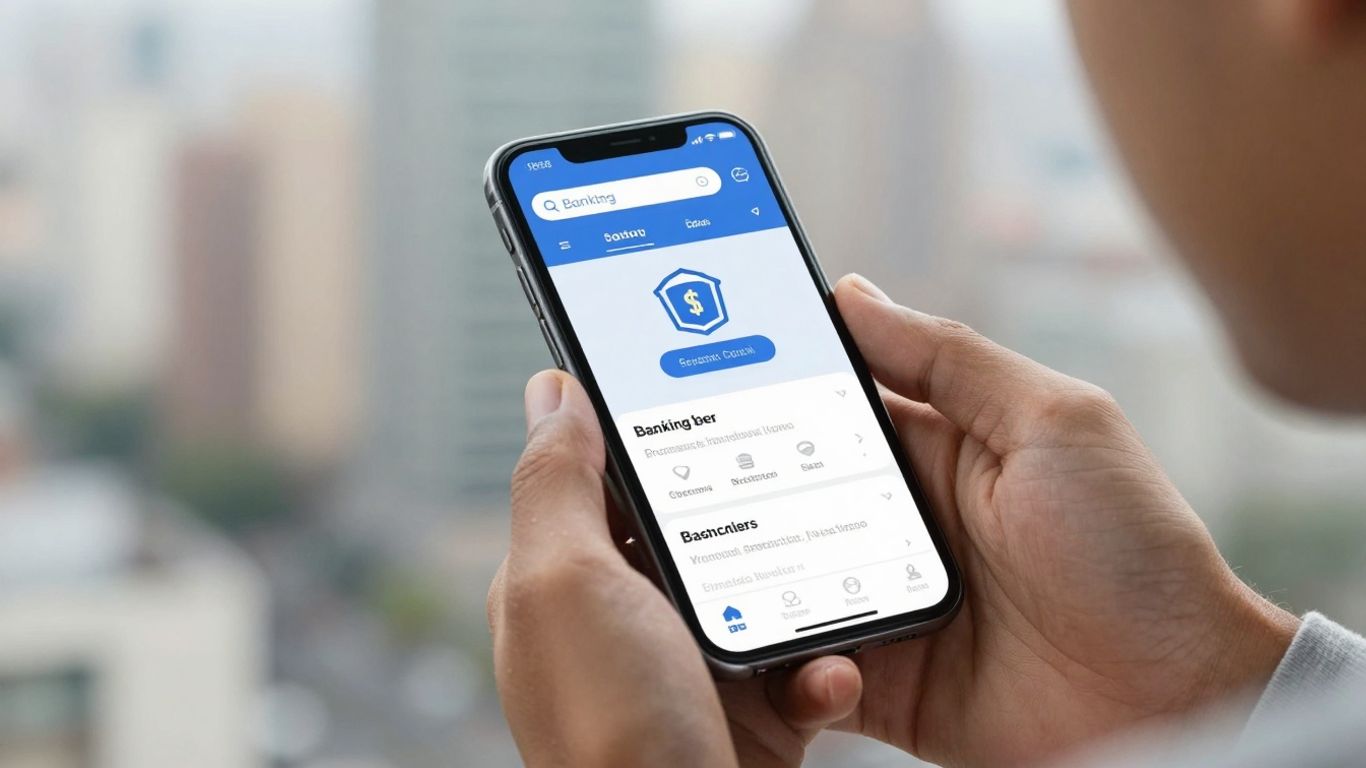
Digital financial services, however, are proving to be a game-changer. They can bypass some of the rigid requirements of older banking models. Think about it: instead of needing to visit a branch with piles of paperwork, many processes can now be done online or via an app. This shift means that proof of identity might be the primary hurdle, rather than a long rental history or payslips.
The ability to manage money, receive wages, and save even small amounts can make a huge difference to someone trying to get back on their feet. It offers a sense of control and dignity.
Here's how fintech is making a difference:
- Reduced barriers to entry: Many fintech firms don't require a fixed address, focusing instead on digital identity verification.
- Lower or no fees: Traditional banks often have monthly charges that can be prohibitive. Fintech accounts are frequently free or very low cost.
- Accessibility: Services can be accessed from anywhere with an internet connection, which is vital for people on the move.
Innovative Solutions for Unbanked Individuals
We're seeing some really interesting approaches emerge. For instance, some banks and fintech companies are partnering with charities. This collaboration helps verify identity and provide a point of contact for individuals who might otherwise struggle to meet banking requirements. It's about creating a support network around the banking service itself.
Digital wallets and prepaid cards are also becoming more common. These can be loaded with funds and used for transactions without needing a full bank account. For someone who has just received a small amount of support or a payment for temporary work, this offers an immediate way to spend money safely and track their finances. It's a stepping stone towards more comprehensive banking.
We're also seeing a focus on financial literacy tools integrated into apps. These can help people understand budgeting, saving, and managing debt, which are all critical skills for achieving financial stability. It's not just about opening an account; it's about equipping people with the knowledge to use it effectively.
Service Type | Traditional Banking Barrier | Fintech Solution Example |
|---|---|---|
Account Opening | Requires fixed address | No fixed address required, digital ID verification |
Monthly Fees | Often high | No monthly fees or very low cost |
Access to Funds | Branch visits | Mobile app, online banking, ATM access |
Financial Education | Limited | Integrated budgeting tools, savings guides, literacy apps |
UK Fintech Initiatives For Homeless Banking
Collaborations Between Banks and Charities
It's a tough situation, isn't it? Trying to get your foot in the door with a bank account when you don't have a permanent address or a steady job. For years, this has been a massive hurdle for people experiencing homelessness in the UK. But things are starting to shift, thanks to some smart thinking from fintech companies working hand-in-hand with charities.
Several UK banks have teamed up with organisations like Shelter to create specific services. This isn't just about ticking a box; it's about genuinely trying to make financial services accessible. Think about it: a bank account is often the first step towards getting a job, renting a flat, or even just managing any small income you might have. Without one, you're pretty much stuck.
Here's a look at how these partnerships are making a difference:
- HSBC's 'No Fixed Address' Service: This initiative allows individuals to open a bank account without needing proof of a permanent home. It's a direct response to the catch-22 situation many face.
- Charity Partnerships: Banks are working with homelessness charities to understand the specific needs of individuals and to help guide them through the account opening process. This often involves outreach and support.
- Simplified Application Processes: The aim is to cut down on the complex paperwork and requirements that can be a major barrier for people who are struggling.
The idea is simple: if you can't get a bank account, you can't easily get back on your feet. These new schemes are trying to break that cycle.
The Impact of Digital Financial Services
Beyond the direct partnerships, the rise of digital financial services is also playing a big part. It’s not just about having a physical branch anymore; it’s about having accessible online platforms and apps.
These digital tools can be a game-changer for several reasons:
- Reduced Fees: Many fintech accounts come with lower or no monthly fees, which is a huge relief for people on very tight budgets.
- Easy Access: You can often open an account and manage your money entirely through a smartphone app. This means you don't need to visit a branch, which can be difficult if you don't have a fixed address or the means to travel.
- Financial Literacy Tools: Some platforms offer built-in budgeting tools and educational resources, helping people get a better handle on their finances and build confidence.
While there's still a long way to go, the combination of bank-charity collaborations and the growing availability of user-friendly digital banking is creating real opportunities for financial inclusion. It's about giving people the basic tools they need to rebuild their lives.
Looking Ahead
It's clear that fintech is stepping up to help people who are struggling with homelessness get access to basic banking. Companies are finding ways around the usual problems, like needing a fixed address or a steady job. This is a big deal because having a bank account can make it easier to find work and housing. As more of these services become available and easier to use, it really looks like technology can play a significant part in making financial services work for everyone, not just those who have things sorted. We're seeing a shift towards more inclusive banking, and that's got to be a good thing for society as a whole.
Frequently Asked Questions
Why is it hard for homeless people to open bank accounts?
Normally, banks want proof of where you live and a steady job to open an account. People who are homeless often don't have these things, making it really tricky to get basic banking services. This can make it even harder to find a home or get a job.
How are new technology companies (FinTech) helping?
Some FinTech companies are creating special accounts that don't need a fixed address or proof of a job. They also offer free tools to learn about managing money and checking your credit score. This helps people build a financial future even when things are tough.
What's the main goal of these FinTech efforts?
The main aim is to make sure everyone can use financial services, no matter their situation. It's about giving people a fair chance to manage their money, save, and build a more stable life. It's like building a bridge to better opportunities for those who have been left out.