Hostel Support Worker: Role, Duties & How to Hire One
Key Takeaways
A hostel support worker helps residents manage immediate pressures while working towards greater safety, stability and independence. The role combines practical assistance, emotional support, safeguarding and careful teamwork.
- Support is person-centred, respectful and shaped around each resident’s goals.
- Daily work may include housing advice, benefits, healthcare, routines and appointments.
- Safeguarding, risk assessment, professional boundaries and accurate records are central.
- Recruitment should assess judgement, empathy, resilience and communication as well as experience.
- Strong induction, supervision and handovers help teams provide consistent support.
What a hostel support worker does
A hostel support worker is often one of the most consistent points of contact for people living in temporary or supported accommodation. We help residents deal with immediate practical issues while encouraging steps towards longer-term stability. The work can be busy, unpredictable and emotionally demanding, but it is also grounded in ordinary, purposeful conversations. A good support worker combines compassion with clear procedures and sensible boundaries.
Their role in supporting residents
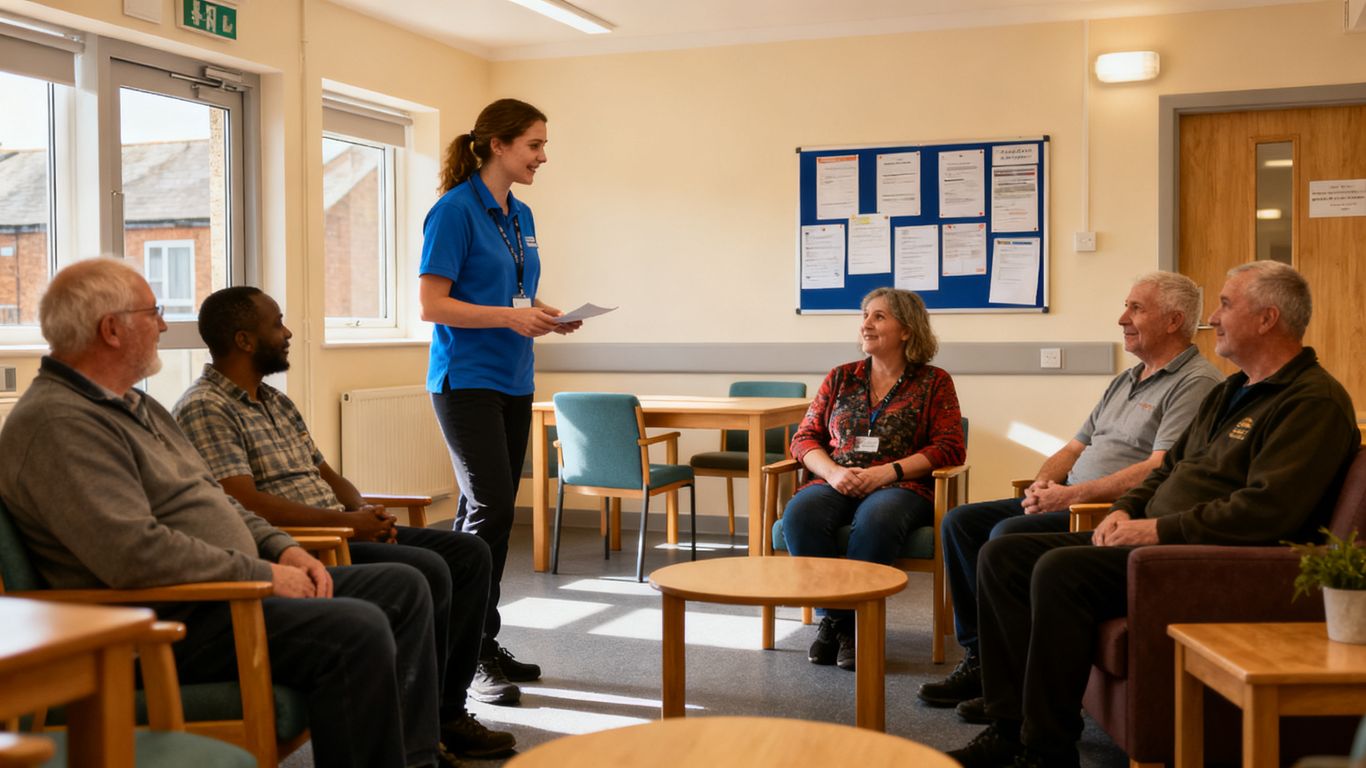
The role starts with building a trusting professional relationship. We listen to what a resident says, identify priorities with them and agree realistic actions rather than making assumptions about what they need. This may mean helping someone understand their housing options, preparing for an appointment or simply creating enough calm for a difficult conversation. Consistency builds trust when people have experienced repeated disruption or disappointment.
The types of hostels they may work in
Hostel support workers may work in emergency accommodation, homeless hostels, supported housing, domestic abuse services or projects for people with particular needs. Some services operate around the clock, while others provide daytime key-work or floating support across several properties. The setting affects the pace, staffing model and risk profile, so we should understand the service before defining the post. A small scheme may require broad practical skills; a larger hostel may divide duties between specialist roles.
Who they support and the challenges they may face
Residents may be experiencing homelessness alongside debt, poor health, addiction, mental distress, trauma, family breakdown or contact with the justice system. These circumstances can affect trust, concentration, behaviour and engagement with services. We must avoid reducing a person to a diagnosis or past event, while still recognising risks that need a timely response. The role calls for patience, flexibility and the ability to keep making professional decisions during difficult moments.
How the role differs from residential care work
Hostel support is not the same as residential care. Rather than providing a regulated care-home service, the worker usually supports housing stability, independence, tenancy skills and access to wider services. Personal care may be outside the role, depending on the project and the resident’s assessed needs. We should therefore make the boundaries clear in the job description, especially where a hostel works alongside health or social care providers.
Key duties and day-to-day responsibilities
The daily pattern varies between services, but the work usually balances planned support with unplanned events. We may begin with a handover, check immediate welfare concerns and review appointments or action plans. The rest of the shift could involve one-to-one key-work, liaison with agencies, practical problem-solving and responding to incidents. Reliable administration matters because small details often affect a resident’s safety and progression.
Providing practical and emotional support
Practical support might include helping a resident organise belongings, understand house procedures, prepare for a move or develop routines. Emotional support means listening without judgement, acknowledging distress and helping the person identify their next manageable step. We should not promise outcomes we cannot control or take over tasks a resident can safely do themselves. The aim is supportive partnership, not dependence.
Helping residents access housing, benefits and healthcare
Support workers often help residents complete forms, gather evidence, contact housing teams and attend appointments. They may explain letters in plain language, help someone prepare questions for a professional or coordinate with external agencies when consent and policy allow. Services such as hostel support worker recruitment describe this wider role as helping people navigate accommodation and daily hostel life. We should keep advice accurate and refer specialist questions to the appropriate professional.
Managing routines, appointments and daily living tasks
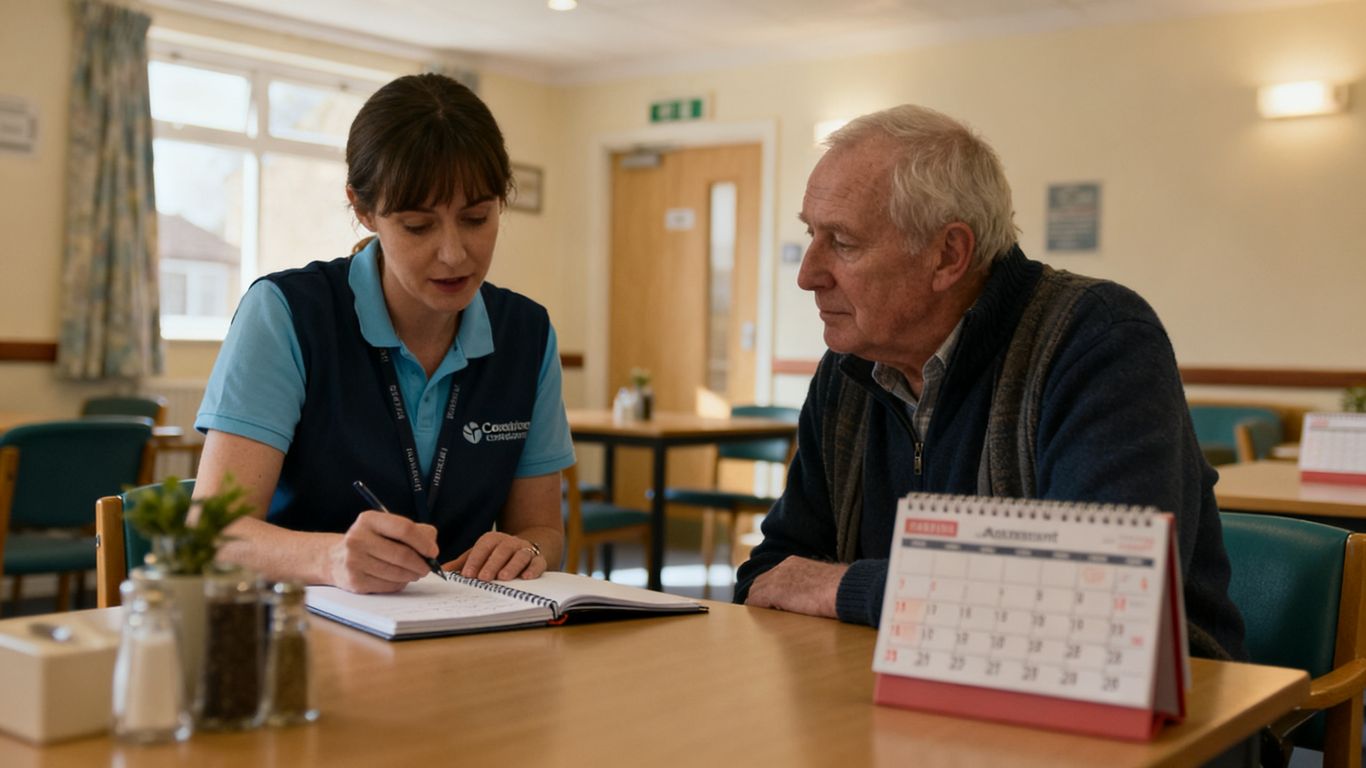
A worker may help residents plan meals, manage a diary, attend a viewing, keep appointments or prepare for a move-on assessment. These tasks are most useful when they build skills rather than create another layer of reliance. A simple plan can make responsibilities more visible and reduce missed opportunities. We can then review what worked, adjust the approach and record agreed follow-up.
A short, shared routine is particularly helpful when several workers support the same resident. It can cover:
- the resident’s immediate priority;
- the action they will take themselves;
- any support the worker will provide;
- the date or trigger for review.
That structure keeps key-work focused without turning every conversation into paperwork. It also gives colleagues a clear starting point at the next handover.
Recording incidents, progress and safeguarding concerns
Records should be factual, timely and relevant. We should distinguish what was seen or heard from interpretation, note actions taken and identify any follow-up required. Progress notes can show small but meaningful changes, while incident records help managers review patterns and improve safety. Safeguarding concerns should be escalated through the service’s procedure rather than left in informal conversation.
Essential skills and qualities for the role
Technical knowledge can be taught, but the way we behave under pressure is harder to change. Hostel support workers need warmth without over-familiarity, confidence without aggression and resilience without becoming detached. They also need to work reliably with colleagues whose views may differ. Recruitment should look for evidence of sound judgement in real situations, not only polished interview answers.
Communication, empathy and active listening
Clear communication helps residents understand their choices and helps colleagues act on important information. Active listening involves giving someone time, checking our understanding and noticing what may not be said directly. We should adapt language for different communication needs and avoid jargon wherever possible. Empathy does not require agreement with every decision; it means treating the person with dignity while discussing consequences honestly.
De-escalation and conflict management
Conflict may arise from fear, frustration, intoxication, unmet needs or disagreements about shared living arrangements. We can reduce escalation by keeping our voice measured, allowing space, setting clear limits and calling for support early. A worker should know when conversation is no longer sufficient and follow the service’s emergency procedure. Training is valuable, but calm preparation and consistent boundaries matter just as much.
Safety improves when people know what will happen next and staff respond consistently.
After an incident, we should consider what triggered it, whether anyone was harmed and what needs to change. Debriefing can support the resident and the team, while a clear record prevents the same information being lost between shifts.
Organisation, resilience and professional boundaries
The role involves competing priorities, confidential information and frequent interruptions. We need to manage time, complete records, follow through on promises and ask for help before pressure affects our judgement. Professional boundaries include not lending money, sharing personal contact details inappropriately or becoming a resident’s sole source of support. A dependable worker remains kind while keeping the relationship purposeful and accountable.
Cultural awareness and trauma-informed practice
Cultural awareness means remaining curious about a person’s identity, beliefs, language, family relationships and experience of services. Trauma-informed practice avoids unnecessary confrontation and recognises that behaviour may be shaped by earlier harm, without excusing unsafe conduct. We should offer choice where possible, explain decisions and avoid treating compliance as the only sign of progress. This approach supports dignity and can make engagement more realistic.
Safeguarding, risk management and professional boundaries
Safeguarding is part of ordinary hostel work, not a separate task reserved for managers. We need to notice changes in behaviour, relationships, presentation and living conditions, then respond in line with policy. Risk management should be proportionate and reviewed as circumstances change. It is about enabling safer choices, not removing every element of autonomy.

Recognising abuse, neglect and exploitation
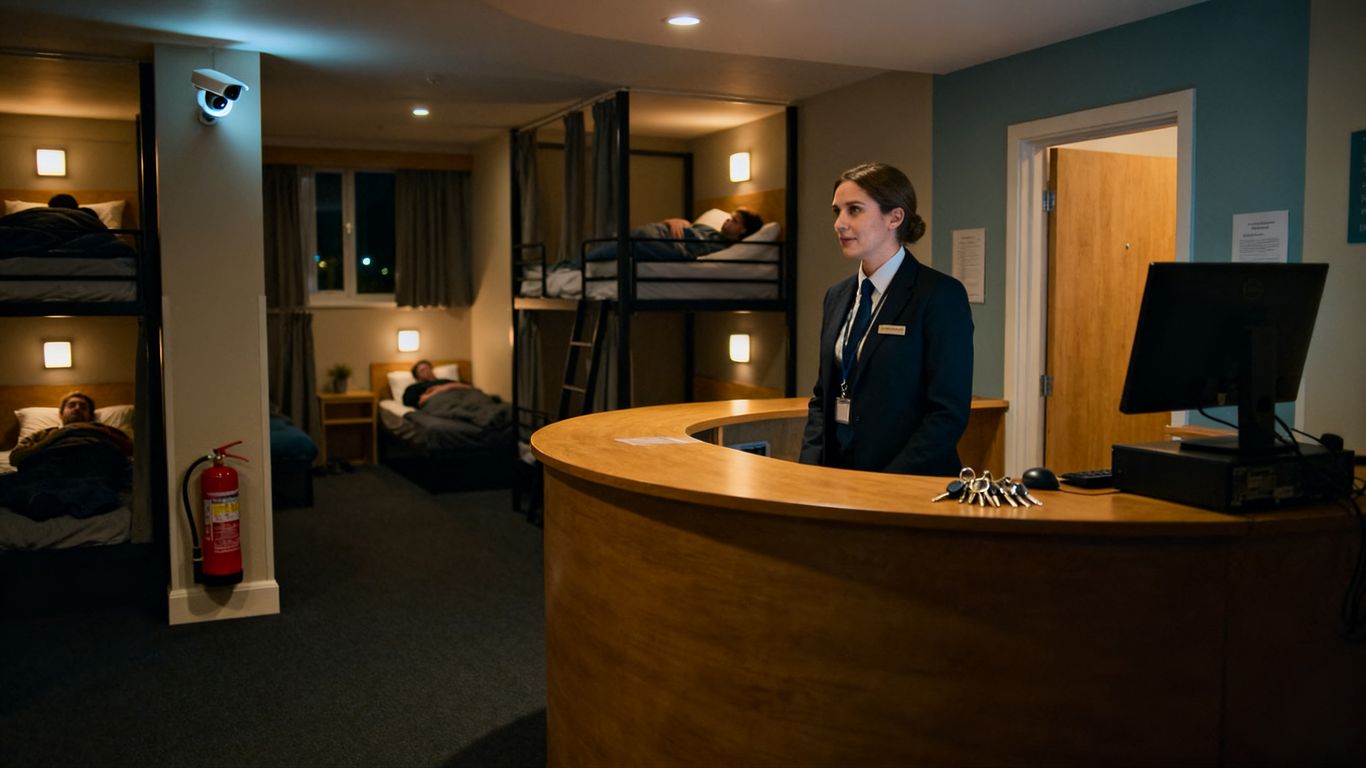
Residents may be vulnerable to financial abuse, coercion, violence, neglect, sexual exploitation or manipulation by people inside or outside the service. Warning signs can include unexplained injuries, missing money, sudden changes in contact, fear of a particular person or pressure to hand over keys or benefits. We should listen, avoid leading questions and report concerns promptly. The Waking Night Support Workers service description illustrates how regular welfare checks, crisis de-escalation and safeguarding responses can form part of overnight hostel support.
Responding to substance misuse and mental health needs
Workers may support people affected by alcohol, drugs, anxiety, depression, psychosis or suicidal thoughts, but they are not a substitute for clinical care. We should follow local protocols, seek advice, call emergency services where necessary and record decisions clearly. Language matters: describing a person respectfully can preserve engagement when they are already wary of services. Medication should only be handled if the role, training and policy explicitly permit it.
Handling emergencies, incidents and lone working
Every worker should know the arrangements for fire, violence, missing residents, medical emergencies, overdose, self-harm and serious safeguarding disclosures. Lone-working procedures should cover check-ins, access to help, safe positioning and what to do if contact is lost. We must never improvise beyond our training or place ourselves at avoidable risk. After an emergency, managers should review both the response and the conditions that led to it.
Maintaining confidentiality and accurate records
Confidentiality means sharing information lawfully and only with people who need it for a legitimate purpose. It does not prevent us from escalating a serious risk. Records should be stored securely, use professional language and show the basis for important decisions. We should also explain to residents, in accessible terms, how their information may be used and when confidentiality may need to be broken.
Qualifications, checks and employment requirements
There is no single route into every hostel support worker post. Requirements depend on the resident group, funding arrangements, service model and level of responsibility. Employers should distinguish essential criteria from training that can be completed after appointment. A fair process gives applicants with relevant lived, voluntary or transferable experience a genuine opportunity.
Relevant qualifications and transferable experience
Employers may value qualifications in health and social care, housing, counselling, youth work or mental health, but practical experience can be equally relevant for an entry-level role. Experience in outreach, customer service, community work, homelessness services or crisis environments may demonstrate useful skills. We should assess what someone actually did, how they handled boundaries and what they learned. The job must still state any qualification required by the service or regulator.
DBS checks, references and right-to-work checks
Pre-employment checks commonly include identity, right-to-work evidence, references and the appropriate DBS check. The level of checking should match the duties and legal requirements, rather than being treated as a box-ticking exercise. References should explore reliability, conduct and suitability for working with vulnerable adults where lawful. Offers should remain subject to satisfactory checks and a clear process for resolving discrepancies.
Mandatory training and ongoing development
Induction should cover safeguarding, equality, confidentiality, health and safety, fire procedures, first aid, mental health awareness, substance misuse, de-escalation and professional boundaries as relevant to the service. Training should be refreshed and connected to supervision, incidents and changing resident needs. A certificate alone does not prove competence. We need opportunities to practise, ask questions and receive feedback.
When specialist qualifications may be needed
Some services require additional expertise because they support residents with complex mental health needs, domestic abuse risks, physical disabilities, children or medication needs. In those settings, employers should specify the required knowledge and make clear which duties sit with qualified professionals. Specialist training must complement, not replace, a safe staffing model and effective referral pathways. We should avoid asking one worker to cover responsibilities beyond their competence.
How to hire a hostel support worker
Good hiring starts with an honest picture of the service. The person appointed will affect residents, colleagues and the wider atmosphere of the hostel, so speed should not come at the expense of judgement. We should describe difficult aspects as well as rewarding ones. That usually attracts applicants who understand the role and are more likely to stay.
Define the role, residents and service requirements
Start by identifying the resident group, opening hours, staffing levels, caseload, lone-working arrangements and likely incidents. Decide whether the post is primarily key-work, overnight welfare, tenancy sustainment, reception support or a blend. Include the reporting line and the limits of decision-making. This prevents a vague advert from creating mismatched expectations.
Write an accurate job description and person specification
The job description should separate duties from desirable qualities and state any checks, rota requirements or physical demands. The person specification can focus on communication, reliability, safeguarding awareness, recording, teamwork and emotional steadiness. Avoid unnecessary requirements that exclude capable applicants without improving safety. Clear wording also gives interviewers a fair framework for assessment.
Choose suitable recruitment channels
Use channels that reach people with housing, care, community and support experience, including local networks and specialist job boards. Recruitment can also include a trusted staffing partner when a service needs planned cover or has urgent rota gaps. For example, flexible hostel staffing may suit providers managing several smaller supported-accommodation sites and needing daytime workers across a geographic area. Whichever channel we use, the advert should remain transparent about checks, hours and pay.
Assess applications and shortlist candidates
Shortlisting should compare evidence against the published criteria rather than relying on a familiar job title. Look for examples of managing conflict, respecting confidentiality, supporting independence and learning from mistakes. Gaps in experience are not automatically a problem if the applicant shows self-awareness and a willingness to develop. Keep notes so the process can be explained and reviewed.
Use structured interviews and practical scenarios
Ask every candidate a consistent core set of questions, then use scenarios based on the actual service. We might explore how they would respond to a safeguarding disclosure, an escalating dispute, a missed appointment or a resident refusing support. Probe the reasoning behind the answer, including when they would seek help. A panel should score evidence against agreed criteria and complete checks before confirming an appointment.
Building an effective support worker team
A strong individual cannot compensate for a poorly organised service. Residents need continuity, while staff need enough information and support to make safe decisions. Team design should reflect the hostel’s hours, occupancy, risks and links with outside agencies. We should review arrangements regularly rather than waiting for a serious incident.
Planning shifts, cover and handovers
Rota planning should provide appropriate staffing at busy and quieter times, including nights, weekends and planned leave. Handovers need to cover immediate risks, safeguarding actions, appointments, incidents and agreed follow-up without spreading unnecessary personal information. Written and verbal systems should complement one another. If a gap appears, managers need a safe escalation route rather than relying on goodwill or unplanned overtime.
Creating a safe induction and onboarding process
New workers should learn the building, emergency arrangements, local referral pathways, recording system and boundaries of the post before working alone. Shadowing, observed practice and a named supervisor help turn policy into practical confidence. We should also introduce the values and routines of the service, including how residents are welcomed and involved. A careful start is often faster than correcting unsafe habits later.
Measuring performance and resident outcomes
Useful measures might include completed support plans, housing progress, engagement with health services, incident learning, record quality and resident feedback. Numbers should not become a substitute for judgement or pressure workers to produce unrealistic outcomes. We should examine whether support is improving safety, choice and stability for the people using the service. Individual progress is often uneven, so review needs context.
Supporting wellbeing, supervision and retention
Regular supervision gives workers space to discuss risk, emotional impact, boundaries and development needs. Managers should provide reflective debriefs after difficult incidents and make routes to further support visible. Fair rotas, respectful leadership and opportunities to progress also influence retention. When staff feel able to speak honestly, problems are more likely to be addressed before they affect residents.
Conclusion
A hostel support worker brings together practical help, respectful relationships, safeguarding awareness and dependable administration. When we define the role honestly, recruit for judgement and support staff properly, we create a service where residents can work towards stability without losing their voice or independence.
Frequently Asked Questions
What does a hostel support worker do?
A hostel support worker helps residents with practical, emotional and housing-related needs while promoting safety, independence and access to other services.
Where can hostel support workers work?
They may work in emergency hostels, supported housing, homelessness services, domestic abuse projects and accommodation serving people with more specialised needs.
Do hostel support workers provide personal care?
Usually not as a general rule. Personal care duties depend on the service, the resident’s assessed needs, the worker’s training and the employer’s policies.
What qualities make a good hostel support worker?
Empathy, calm communication, organisation, resilience, cultural awareness, sound judgement and the ability to maintain professional boundaries are all valuable.
Is experience required for the role?
Some employers require previous support or housing experience, while others consider transferable experience and provide training. The advert should explain the actual requirement.
What checks are needed before starting?
Employers commonly complete identity, right-to-work, reference and appropriate DBS checks, alongside any checks required by the service or role.
How can employers retain support workers?
Clear rotas, good handovers, quality induction, regular supervision, reflective support, fair management and realistic workloads all contribute to retention.