How Daily Routines in Hostels Support Homeless Rehabilitation

We've been looking into how hostels help people get back on their feet. It turns out that having a regular schedule can make a big difference in someone's journey away from homelessness. It’s not just about having a roof over your head; it’s about creating a sense of order and purpose, which we’ve found can be incredibly helpful for those trying to rebuild their lives.
Key Takeaways
- Daily routines in hostels provide much-needed structure, giving residents a sense of purpose and stability.
- Hostel environments can help build a supportive community, reducing feelings of isolation for those experiencing homelessness.
- Regular schedules and support within hostels aid in addressing complex health needs and developing life skills for long-term recovery.
The Role Of Daily Routines In Homeless Rehabilitation
When we think about helping people who are experiencing homelessness, it's easy to focus on the immediate needs like shelter and food. But what about the longer term? That's where daily routines come in. For many, life on the streets or in unstable situations means a lack of structure. This can lead to a feeling of being adrift, with no clear direction. Establishing a regular pattern of activities within a hostel setting can make a real difference.
Establishing Structure And Purpose
Having a set schedule helps to bring a sense of order to lives that might otherwise feel chaotic. Waking up at a consistent time, participating in communal activities, and having designated times for meals can provide a much-needed anchor. This predictability can be incredibly grounding for individuals who have experienced significant upheaval. It helps to create a framework within which they can begin to rebuild. When people know what to expect each day, it frees up mental energy that might otherwise be spent worrying about the immediate future. This allows them to focus on more constructive things, like personal goals or engaging with support services.
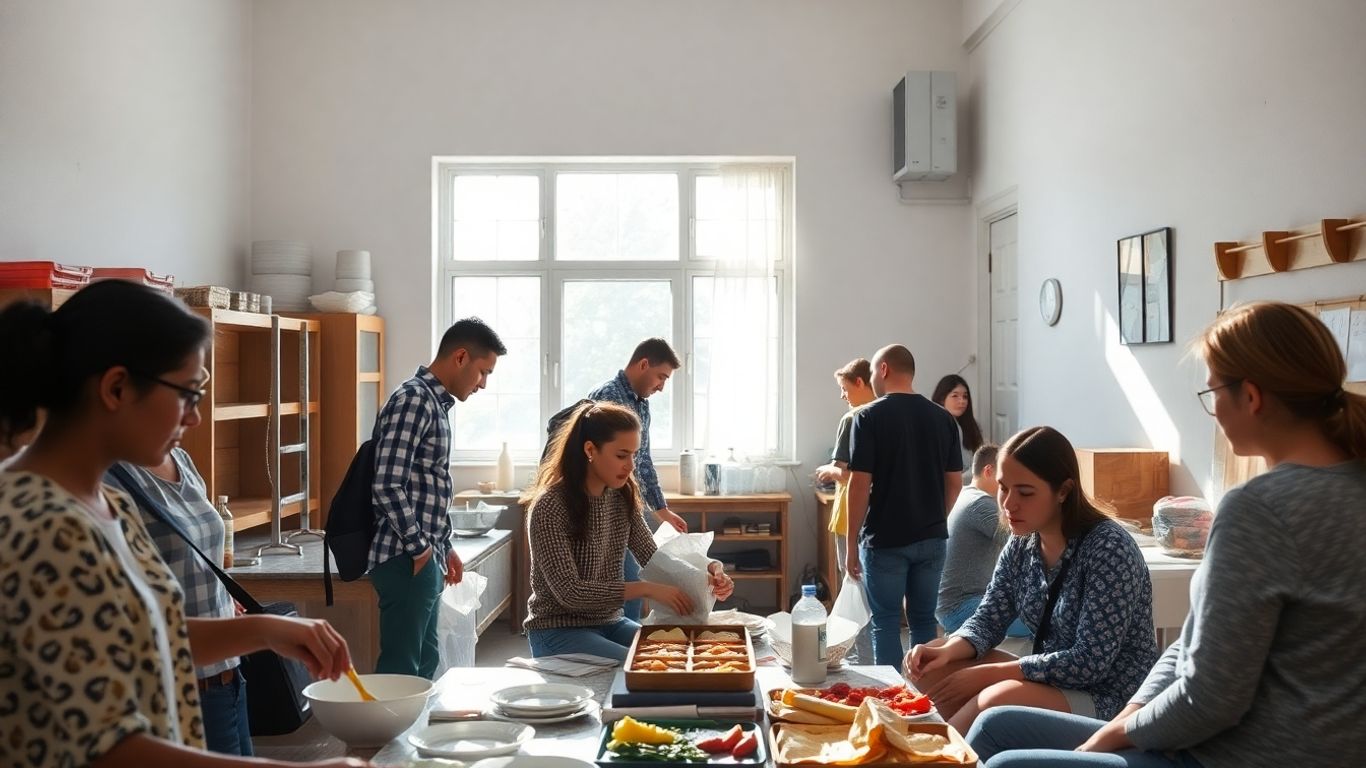
We've seen how even simple routines can foster a sense of purpose. When someone has a role to play, whether it's helping with breakfast preparation or attending a morning check-in, it gives them a reason to get up and be involved. This feeling of contribution is vital for self-esteem.
Fostering A Sense Of Community
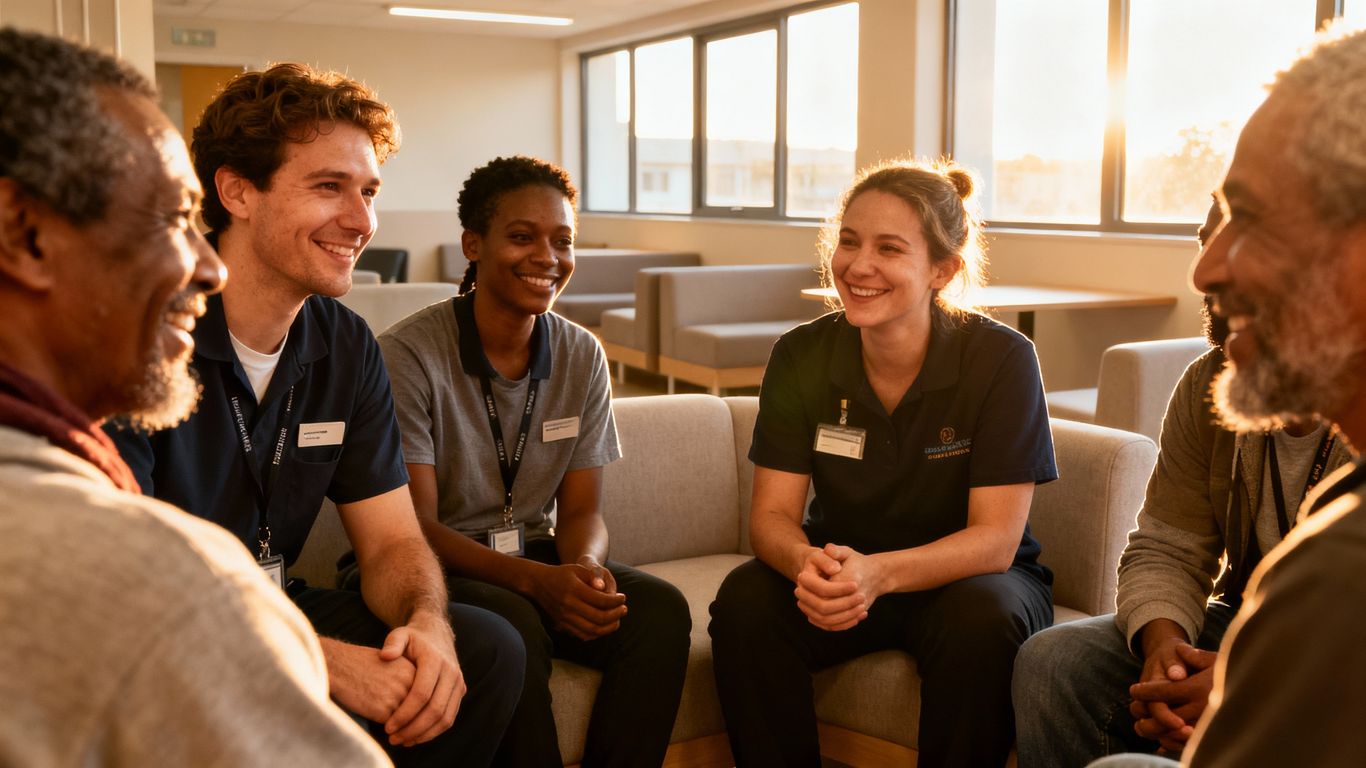
Hostel routines often involve shared activities, which naturally bring people together. Think about communal mealtimes or group sessions. These shared experiences can break down isolation and build connections between residents. It’s in these shared moments that a sense of belonging can start to grow. When people feel part of a group, they are more likely to support each other and feel motivated to stick with the rehabilitation process. This shared journey can be a powerful motivator, as individuals see others making progress and feel encouraged to do the same. It creates a positive feedback loop where mutual support strengthens individual resolve.
The structured environment of a hostel, with its predictable routines, offers a safe space for individuals to begin healing and to reconnect with themselves and others. It's not just about having a roof over one's head; it's about creating an environment where recovery can truly take root.
Supporting Vulnerable Individuals Through Hostel Routines
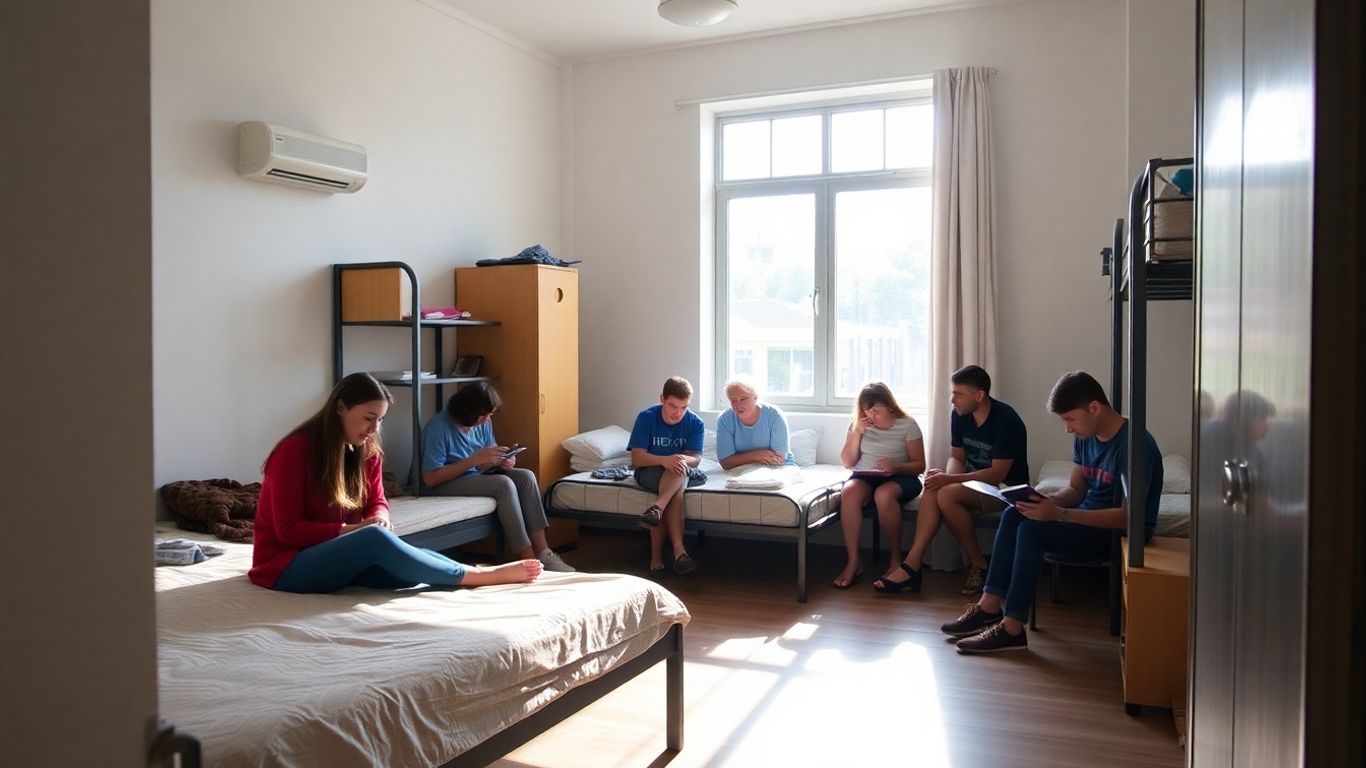
We've found that hostels often end up being the last port of call for people with really complex needs, and frankly, they're not always set up for it. It's a tough situation because while the National Institute for Health and Care Excellence suggests care should be based on what someone actually needs, not just their age, this doesn't always happen in hostels. Many residents have significant health issues, and the staff, bless them, are often left trying to fill gaps they weren't trained for.
Addressing Complex Health Needs
This is a big one. We see residents with all sorts of health problems, from mental health conditions to substance use issues, and sometimes even memory loss or cognitive difficulties. The problem is, hostels aren't hospitals or specialist care homes. They might not have the right equipment or enough trained staff to properly look after someone who needs constant medical attention or specific support.
- We've seen hostels struggle to provide the level of care needed for individuals with advanced illnesses, sometimes leading to tragic outcomes.
- There's a real need for more outreach from healthcare professionals, like doctors and nurses, who can come into the hostels. This helps build relationships and makes sure residents get the support they need without having to go through a crisis.
- We also need more varied accommodation options. Think specialist places for younger people with substance use problems or mental health challenges, rather than expecting a general hostel to cope.
The lack of appropriate support can mean that resources get stretched thin, taking away from efforts to help other residents move on from homelessness more quickly. It's a difficult balancing act.
Developing Essential Life Skills
Beyond immediate health concerns, many residents need help getting back on their feet with everyday life. This can be anything from managing their money to cooking a meal or even just knowing how to communicate their needs effectively, especially if they have memory problems.
- Training for hostel staff is often minimal, and we need to change that.
- We've heard from staff that they need more tools and strategies to help residents who might be distressed or acting out. Understanding a resident's life story can really help here, giving staff clues as to why someone might be behaving a certain way.
- There's also a need for practical training, like how to handle difficult physical situations safely. It's about equipping staff to manage challenging behaviours and support residents in a way that respects their dignity and independence.
We're looking at approaches like 'Psychologically Informed Environments', which basically means making the hostel space more aware of residents' emotional needs. This involves staff learning to reflect on their own responses and creating a calmer, safer atmosphere. It’s about continuous learning and making sure staff don't get too burnt out trying to help everyone.
Moving Forward: What We've Learned About Hostel Routines
Looking back at our time exploring daily routines in hostels, it's clear that these places do more than just offer a roof over someone's head. We've seen how structured days, even simple ones, can make a real difference for people trying to get back on their feet. It's not always a perfect system, and there are definitely challenges, especially when people have complex needs that hostels aren't always set up for. But the effort to create some sense of order and support is something we can't overlook. We've learned that consistency and a bit of structure can be a powerful tool in the journey away from homelessness, helping individuals rebuild their lives one day at a time.
Frequently Asked Questions
How do daily routines help people who have been homeless?
Daily routines provide a sense of structure and purpose, which can be really helpful when someone's life has been chaotic. Having a regular schedule, like set times for meals, activities, or support sessions, helps create stability. This predictability can reduce anxiety and give people something to focus on, making them feel more in control and motivated to work towards their goals.
Can hostels really help with complex health issues?
While hostels aren't always set up for high-level medical care, they are increasingly having to adapt. We're seeing more efforts to bring in health professionals and provide better support for residents with various health needs, including mental health and substance misuse. The goal is to offer a more stable environment where these issues can be addressed, preventing crises and helping people get the right care.
What kind of life skills do people learn in hostels?
Hostels often focus on helping residents develop essential life skills that they might have missed or lost. This can include things like managing personal finances, cooking healthy meals, maintaining personal hygiene, and even improving communication and social skills. The idea is to equip people with the practical abilities they need to live independently and successfully once they move on from the hostel.