How Staff Training Reduces Anti-Social Behavior in Hostels

We all want our hostels to be safe and welcoming places. Sometimes, though, things can get a bit out of hand. Anti-social behaviour can be a real problem, affecting both guests and staff. We've found that a big part of keeping things running smoothly is making sure our team is well-trained. Proper staff training in hostels across the UK can make a massive difference in how we handle difficult situations and create a better atmosphere for everyone.
Key Takeaways
- Giving our staff the right training in how to de-escalate tricky situations and sort out arguments is super important for reducing anti-social behaviour in hostels.
- When staff know how to spot guests who might cause trouble and how to react, it helps keep everyone safer and the hostel environment more pleasant.
- Good security measures, like knowing the risks and having clear plans in place, work hand-in-hand with staff training to make our hostels more secure.
Enhancing Hostel Safety Through Staff Training
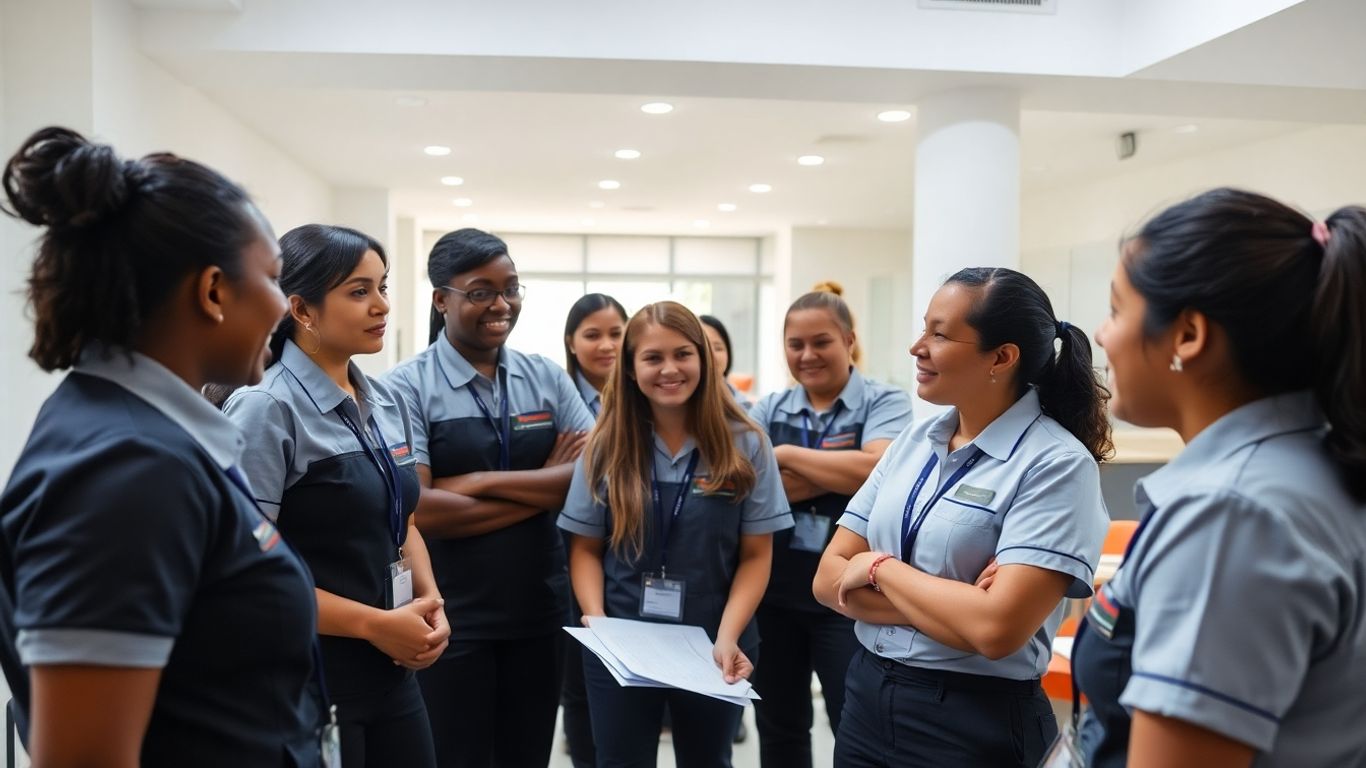
When we talk about keeping our hostels safe and welcoming, a big part of that comes down to how well our staff are trained. It's not just about having locks on doors or cameras around; it's about the people who are on the front lines, interacting with guests every day. We've found that equipping our team with the right skills makes a noticeable difference in how smoothly things run and how safe everyone feels.
De-escalation And Conflict Resolution Skills
Dealing with difficult situations is unfortunately part of working in hospitality. Sometimes guests get upset, or conflicts arise between people staying with us. Without proper training, these situations can quickly get out of hand, leading to unpleasant experiences for everyone involved, and potentially even safety concerns. That's why we focus heavily on teaching our staff how to handle these moments effectively. It's about learning to stay calm, listen actively, and find solutions that work. We teach them techniques to defuse tense situations before they escalate, which often involves simple communication strategies. The goal is to resolve issues peacefully and respectfully.
Here are some of the key things we cover:
- Active Listening: Really hearing what the guest is saying, not just waiting for your turn to speak.
- Empathy: Trying to see the situation from the guest's point of view, even if you don't agree.
- Problem-Solving: Working with the guest to find a practical solution.
- Setting Boundaries: Knowing when and how to firmly but politely state what is and isn't acceptable behaviour.
Recognising And Responding To Guest Behaviour
Another vital area is training our staff to spot potential issues early on. This isn't about profiling people, but rather about recognising patterns of behaviour that might indicate someone is struggling, feeling unwell, or could potentially cause problems for themselves or others. This could be anything from someone appearing disoriented to noticing signs of distress or aggression.
We train our team to be observant and to know who to report concerns to. It’s about creating a culture where looking out for each other and for our guests is standard practice. This includes understanding when a situation might require more than just a friendly word, and when to involve management or security.
A well-trained staff member can often prevent a minor issue from becoming a major incident, simply by noticing something is off and acting appropriately. This proactive approach is key to maintaining a positive and secure environment for all our guests.
We also make sure our staff know the procedures for different scenarios. For example, what to do if a guest is excessively noisy, if there's a medical emergency, or if someone seems to be a risk to others. Having clear, practiced procedures means our team can respond quickly and confidently, which is incredibly important when you're dealing with people from all walks of life.
Proactive Measures For A Secure Hostel Environment

We all want our hostels to be safe havens, not places where guests worry about their belongings or personal safety. Taking steps before any issues arise is key to this. It's about building a secure atmosphere from the ground up, making sure everyone feels comfortable and protected.
Understanding Security Risks In The Hospitality Sector
Hostels, by their nature, attract a diverse range of people. This means we need to be aware of various security risks. These can range from petty theft to more serious incidents. We've seen how things like poor lighting in common areas or around entrances can create opportunities for trouble. Also, not having clear procedures for reporting suspicious activity can leave gaps. It’s important to remember that security isn't just about locks and alarms; it’s about creating an environment where people feel secure. This includes everything from how we manage lost property to how we handle guest information. Thinking about potential problems, like unauthorised access to discarded records, is also part of a good security plan.
Implementing Effective Security Protocols
Putting solid security protocols in place is more than just a checklist. It's about creating a system that works for our specific hostel. We need to think about physical security, like making sure doors and windows are secure, and also about procedural security. This means having clear guidelines for our staff. For instance, having a system for reporting and documenting security incidents is vital. We should also consider things like having adequate lighting in all areas, especially car parks and walkways.
Here are some practical steps we can take:
- Regularly review and update our security procedures. What worked last year might not be enough now.
- Ensure all staff are trained on basic security awareness. This includes knowing how to spot and report suspicious behaviour.
- Implement a clear lost and found system. This helps guests feel more secure about their belongings.
- Maintain good lighting throughout the property. This is a simple but effective deterrent.
We need to balance making our hostels secure with maintaining a welcoming atmosphere. Too many overt security measures might make guests feel uneasy, as if something bad has happened or might happen. The goal is to make people feel safe without making them feel like they're in a fortress. It's a fine line, but achievable with thoughtful planning.
We also need to think about how technology can help. Things like modern electronic locking systems are a big step up from old keys. Some places are even looking at systems that can guide guests to their rooms or emergency exits, which could be useful. While some of these advanced technologies might be beyond our current budget, the principle of using smart solutions to improve safety is something we should keep in mind. We should also look into resources for mental health support for staff, as a well-supported team is better equipped to handle security challenges.
Here's a look at some common security measures we should consider:
Measure | Description |
|---|---|
Staff Training | Training on crime incidents and emergency procedures. |
Lighting | Proper illumination in common areas, hallways, and parking lots. |
Access Control | Secure doors, windows, and potentially electronic key systems. |
Reporting Procedures | Clear steps for staff to report suspicious events and incidents. |
Lost and Found System | A reliable process for managing and returning lost guest items. |
Emergency Preparedness | Plans and drills for various emergency scenarios. |
By focusing on these proactive measures, we can significantly reduce the likelihood of anti-social behaviour and create a more secure and pleasant environment for everyone who stays with us.
Wrapping Up
So, we've looked at how training staff can really make a difference when it comes to dealing with anti-social behaviour in hostels. It's not just about having rules; it's about equipping our teams with the skills to handle tricky situations, whether that's calming down a rowdy guest or knowing how to react if something more serious happens. When staff feel prepared and supported, they can manage these issues better, which in turn makes the hostel a safer and more pleasant place for everyone. It seems pretty clear that investing in our people through good training is a smart move for any hostel wanting to keep things running smoothly and keep guests happy.
Frequently Asked Questions
Why is training staff important for dealing with difficult guests?
When staff know how to handle tricky situations, like arguments or guests being disruptive, they can sort things out calmly. This stops problems from getting worse and makes everyone feel safer and more comfortable. It's like having a plan for when things get a bit heated.
How does staff training help prevent bad behaviour before it happens?
Well-trained staff can spot signs that someone might cause trouble. They learn to recognise when a guest might be upset or about to break the rules. By noticing these things early, they can step in gently, offer help, or change the situation before it turns into something serious and disruptive for everyone.
What are the main security risks in hostels that training can help with?
Hostels can face a few issues, like people who aren't guests causing problems, or guests themselves behaving badly, maybe being too loud or disrespectful. Training helps our staff understand these risks and know exactly what to do, whether that's managing access, calming down a situation, or knowing when to get extra help to keep the hostel secure and friendly for all.