Overcoming Burnout: A Practical Guide for Frontline Homeless Hostel Staff in 2026

Working in a homeless hostel can be incredibly rewarding, but let's be honest, it can also take a real toll. I've seen it happen to colleagues, and I've felt it myself – that heavy feeling of being completely drained. It's easy to get caught up in the day-to-day demands, forgetting that looking after ourselves is just as important as looking after the people we support. This guide is all about practical ways to keep ourselves going, so we can continue to do the vital work we do in 2026.
Key Takeaways
- Understanding and preventing burnout is key for staff in homeless hostels. This includes recognising compassion fatigue in frontline workers and putting in place strategies for homeless sector burnout prevention.
- Promoting staff wellbeing in homelessness services and developing mental health support for support workers are vital for a healthy and effective team.
- Implementing reflective practice for hostel staff and using trauma-informed approaches in support roles are practical ways to manage stress and improve care.
Understanding and Preventing Burnout
Recognising Compassion Fatigue in Frontline Workers
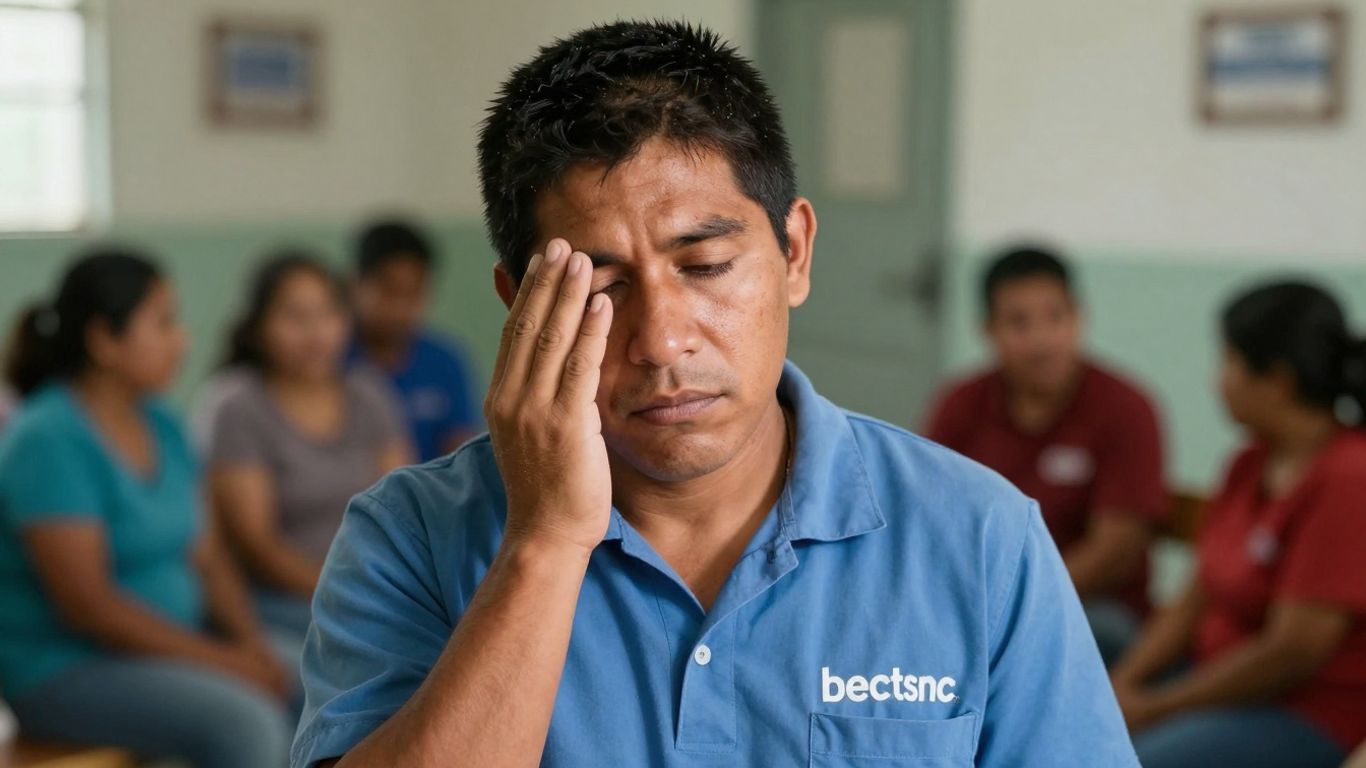
Working in a homeless hostel means you're constantly exposed to difficult situations. It's easy to get worn down. I've seen it happen to myself and colleagues. We start out wanting to help everyone, but after a while, the sheer volume of need can feel overwhelming. This is where compassion fatigue really kicks in. It's not just feeling tired; it's a deeper emotional and physical exhaustion that comes from caring too much, for too long, without enough support or recovery.
The signs can be subtle at first. You might find yourself feeling irritable, detached, or even cynical about the people you're trying to help. Sleep problems, headaches, and a general lack of energy are also common. It's like your emotional reserves have been completely depleted. This can make it hard to connect with residents or even feel motivated to do your job.
Here are some common indicators I've noticed:
- A persistent feeling of being drained, even after a break.
- Increased irritability or impatience with residents or colleagues.
- Difficulty concentrating or making decisions.
- A sense of hopelessness about the work or the people you support.
- Physical symptoms like headaches, stomach issues, or muscle tension.
It's important to remember that experiencing these feelings doesn't make you weak or a bad support worker. It's a natural response to a demanding job. Acknowledging these signs is the first step towards managing them. If you're looking for more information on the challenges faced by those in the sector, you might find resources on homeless hostel jobs helpful.
The constant exposure to trauma and distress, without adequate personal coping mechanisms or organisational support, can lead to a significant toll on mental and emotional health. This isn't a personal failing; it's a professional hazard that requires proactive attention and care.
Strategies for Homeless Sector Burnout Prevention
Preventing burnout isn't just about individual resilience; it's also about the environment we work in. As frontline staff, we need practical strategies that we can actually use, not just vague advice. I've found that a combination of personal habits and workplace support makes a real difference.
Here are some things that have helped me and my colleagues:
- Setting Boundaries: This is a tough one, but vital. It means knowing when to switch off from work, both mentally and physically. It could be as simple as not checking work emails after hours or making sure you take your full lunch break away from your desk.
- Seeking Peer Support: Talking to colleagues who understand the daily grind is invaluable. Sharing experiences, even just for a few minutes, can make you feel less alone. We've started informal check-ins after particularly tough shifts.
- Engaging in Self-Care: This sounds like a buzzword, but it's really about doing things that recharge you. For me, that's going for a run or spending time with my dog. For others, it might be reading, listening to music, or spending time with family. It needs to be something you genuinely enjoy and can make time for.
Organisations also play a big part. They need to provide:
- Reasonable workloads and adequate staffing levels.
- Opportunities for training, especially in areas like trauma-informed care and stress management.
- Access to mental health support, like counselling services.
We need to advocate for these things. It's not just about making our jobs more bearable; it's about being able to provide the best possible support to the people who need it most. Understanding the complexities of the roles, as discussed in some healthcare professional studies, can also inform better support structures.
Enhancing Staff Wellbeing and Support
It’s easy to get caught up in the day-to-day demands of working in a hostel, but looking after ourselves needs to be a priority. I’ve found that when I’m running on empty, my ability to connect with residents and offer genuine support really suffers. We need to actively build systems that support our wellbeing, not just expect us to cope.
Promoting Staff Wellbeing in Homelessness Services
Thinking about how we can all feel a bit better at work is so important. It’s not just about avoiding burnout; it’s about making our jobs more sustainable and, frankly, more rewarding. I’ve seen colleagues thrive when they feel genuinely supported, and it makes a huge difference to the atmosphere in the hostel.
Here are a few things I’ve found helpful, or seen make a positive impact:
- Regular check-ins: Not just about caseloads, but about how we’re feeling. A quick chat with a supervisor or a trusted colleague can be surprisingly effective.
- Clear boundaries: This is a tough one, I know. But knowing when to switch off, and having the support to do so, is vital. It means not checking emails late at night or taking work home in your head.
- Opportunities for development: Learning new skills or getting better at existing ones can make us feel more confident and less overwhelmed. Maybe it’s a course on de-escalation or understanding specific needs. Finding job openings that align with your growth can be motivating.
- Team connection: Simply having a laugh with colleagues during a break, or sharing a difficult experience, can lighten the load. We’re all in this together, after all.
We often focus so much on the needs of the residents, which is absolutely right, but we can’t pour from an empty cup. Making sure our own wellbeing is looked after isn’t selfish; it’s a necessary part of being able to do our jobs well long-term.
Developing Mental Health Support for Support Workers
Beyond the day-to-day, we need more structured ways to look after our mental health. The work we do can be emotionally draining, and sometimes we encounter situations that are genuinely tough to process. Having access to proper mental health support, specifically tailored for people in our line of work, would be a game-changer.
This could look like:
- Access to counselling: Confidential sessions where we can talk through difficult cases or personal stress without judgment. Knowing this is available can be a comfort in itself.
- Peer support networks: Groups where we can share experiences with others who truly understand the unique challenges we face. This kind of shared understanding is powerful.
- Training in self-care and resilience: Practical tools and techniques to help us manage stress and bounce back from difficult days. This isn't about blaming individuals for burnout, but about equipping us with coping strategies.
It’s about creating a culture where it’s okay to not be okay, and where seeking help is seen as a sign of strength, not weakness. This kind of support can help us continue to provide the best possible care and contribute to more effective systems to prevent homelessness.
Practical Approaches to Support

Right, so we've talked about spotting burnout and how to try and stop it before it really takes hold. Now, I want to get into some of the hands-on stuff, the things we can actually do day-to-day to make our work feel more manageable and, dare I say, even rewarding again. It’s about building solid practices that help us, and by extension, the people we support.
Implementing Reflective Practice for Hostel Staff
This is something I've found really useful. Reflective practice isn't just about sitting around and thinking about your day; it's a structured way to process what's happening. It’s about learning from our experiences, both the good and the tough ones. When you're constantly dealing with challenging situations, it's easy to get stuck in a rut or feel like you're not making a difference. Reflecting helps you see the progress, identify what worked, and figure out what you could do differently next time.
Here’s how I try to approach it:
- Scheduled Check-ins: Set aside a bit of time, maybe 15-20 minutes, at the end of your shift or week. It doesn't have to be a formal meeting; it can just be you, a notebook, and some quiet.
- Focus on Specific Incidents: Think about a particular interaction or situation that stood out. What happened? How did you feel? What did the resident say or do? What was the outcome?
- Identify Learning Points: What did you learn from that incident? Was there a different way you could have responded? Did it highlight a gap in your knowledge or a need for more support?
- Action Planning: Based on your reflections, what's one small thing you can try to do differently in the future? It might be something as simple as remembering to ask a specific question or trying a new communication technique.
Sometimes, just writing things down can make a huge difference. It gets the thoughts out of your head and onto paper, which can be surprisingly calming. It also creates a record, so you can see how far you've come and the skills you've developed over time.
Trauma-Informed Approaches in Support Roles
This is a big one, and honestly, it's something I'm still learning about. Being trauma-informed means understanding that many of the people we work with have experienced deeply upsetting events, and that these experiences shape how they behave and react. It's not about excusing behaviour, but about understanding its roots. This approach is vital for building trust and creating a safe environment for everyone in the hostel. It’s about shifting from 'what’s wrong with you?' to 'what happened to you?'
Key aspects I try to keep in mind:
- Safety First: Making sure the physical and emotional environment feels safe. This means being predictable, clear, and consistent in our interactions.
- Trustworthiness: Being reliable and transparent. If you say you're going to do something, do it. Small acts of reliability build big trust over time.
- Choice and Control: Giving residents as much say as possible in their own lives and decisions. Even small choices can help them feel more in charge.
- Collaboration: Working with residents, not just for them. It’s about partnership and shared decision-making where appropriate.
- Empowerment: Helping residents recognise their strengths and build their confidence. We're here to support their journey, not to do it for them.
Adopting these approaches isn't always easy, especially when you're feeling stretched thin. But by focusing on these principles, we can create a more supportive and effective environment for both the people we help and ourselves. It’s about making our work more sustainable and, ultimately, more impactful. For more on how organisations are supporting people experiencing homelessness, check out services for homeless people. It’s a good reminder of the wider context we're working in.
Moving Forward
Look, working in a hostel for people without homes is tough. It really is. I’ve seen it, and I’ve felt it myself. The days can be long, and the emotional toll is something else. But this guide, and the training courses out there, they’re not just about making your job easier – though that’s a big part of it. They’re about making sure we can keep doing this important work, and do it well, without completely running ourselves into the ground. Remember those self-care workshops? They’re not a luxury; they’re a necessity. Taking a bit of time for yourself, learning how to manage stress, and understanding that it’s okay to ask for help, that’s what keeps you going. We’re all in this together, and by looking after ourselves, we can better look after the people who need our support. Let’s keep learning, keep supporting each other, and keep showing up, day after day.
Frequently Asked Questions
What are the main signs that I might be experiencing burnout?
I've noticed that when I'm heading towards burnout, I start feeling really tired, even after a good night's sleep. My patience wears thin, and I find it hard to care as much as I used to, which is tough because caring is so important in my job. I might also feel a bit hopeless about the situation, and small problems can feel like huge mountains to climb. It's like my energy just drains away, and I can't seem to refill it.
How can I look after myself better when my job is so demanding?
Looking after myself is something I have to actively plan. I try to set boundaries, like not checking work emails late at night. Making time for things I enjoy outside of work is crucial, whether it's meeting friends, going for a walk, or just having a quiet cup of tea. I also find it helpful to talk things through with colleagues or friends, and sometimes seeking professional support can make a big difference. It's about finding what recharges me and making sure I do it regularly.
What does 'compassion fatigue' mean for someone working in a hostel?
Compassion fatigue is like emotional exhaustion that happens when I'm constantly exposed to the difficult situations and suffering of the people I support. It means that over time, it becomes harder for me to feel empathy or connect with others on an emotional level. It’s not that I don't care anymore, but the well of compassion can feel a bit dry. Recognising this is the first step to taking care of myself so I can continue to offer good support.