Pets and the Homeless: Love, Loyalty, and Barriers to Shelter
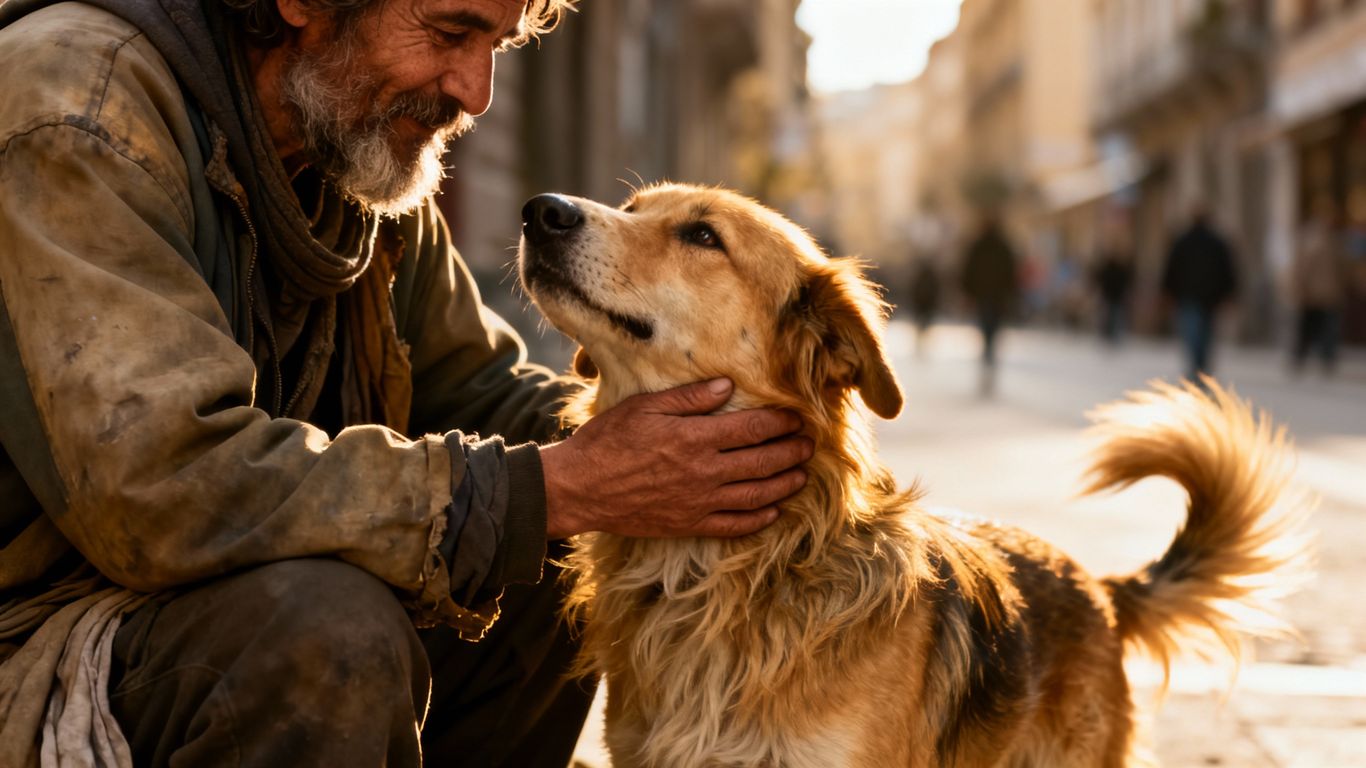
When we talk about people experiencing homelessness in the UK, it's easy to overlook a significant part of their lives: their pets. These animals aren't just pets; they're often the only constant source of love and support for individuals facing immense hardship. Yet, finding a safe place to stay or secure housing can become incredibly difficult when you have a furry friend by your side. We're looking at the strong bonds between homeless people and their pets, and the real problems they face trying to access basic services.
Key Takeaways
- For many individuals experiencing homelessness in the UK, pets are more than companions; they are lifelines that provide emotional support, a sense of purpose, and unconditional love, often motivating them to keep going.
- A major barrier for homeless people with pets UK is the lack of pet-friendly shelters and housing options, forcing many to choose between a roof over their head and their beloved animal.
- Misconceptions about the ability of homeless individuals to care for their pets are common, yet evidence shows these owners often prioritise their pets' needs, sometimes even over their own.
The Unbreakable Bond: Pets And Their Owners Facing Homelessness In The UK
Why Pets Are Lifelines For Those Experiencing Homelessness
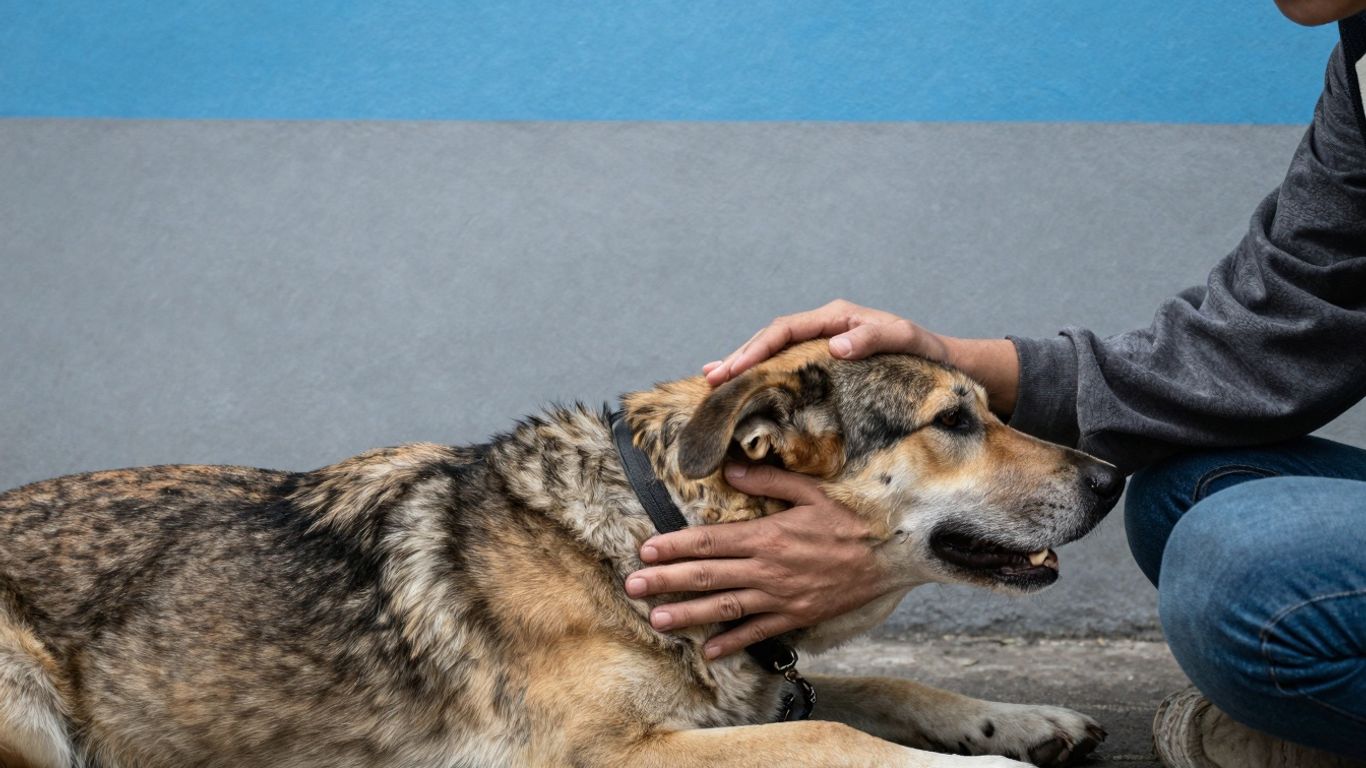
For many of us, our pets are cherished members of the family. When we face homelessness, that bond doesn't just disappear; it often becomes even more profound. Pets offer a unique kind of comfort and companionship that can be incredibly difficult to find elsewhere, especially when navigating the uncertainties of life without a stable home. They provide a sense of purpose, a reason to get up in the morning, and a constant source of unconditional love. It's not uncommon for individuals experiencing homelessness to view their pets as their sole source of support and affection, a furry friend who asks for nothing but offers everything.
We've heard stories where people would rather sleep on the streets than enter a shelter that doesn't allow animals. This isn't just stubbornness; it's a testament to the deep connection shared. These animals can offer protection, a listening ear, and a warm presence during cold nights. They can also be a catalyst for positive change, motivating owners to seek help or maintain routines that keep them grounded. The responsibility of caring for another living being can provide a much-needed sense of normalcy and structure.
- Companionship: Pets combat the intense loneliness and isolation that often accompany homelessness.
- Emotional Support: They offer comfort, reduce anxiety, and can help manage symptoms of depression.
- Motivation: Caring for a pet can provide a reason to keep going and encourage positive life changes.
- Protection: Some pets can offer a sense of security in vulnerable situations.
The presence of an animal can make a dehumanising experience feel a little more bearable. They are often the only ones showing genuine affection when the rest of the world seems to pass by.
It's estimated that around 1 in 10 people experiencing homelessness have pets. These animals are frequently seen as lifelines, providing not just friendship but also a vital sense of stability. The care given to these pets often mirrors that found in more stable homes, challenging any negative assumptions about neglect. We know that organisations like Dogs Trust are working to help keep these families together through initiatives like their Together Through Homelessness service, which offers veterinary care and support. Find out more
The Mental Health Benefits Of Animal Companionship
The impact of pets on mental well-being is significant, particularly for those facing the immense stress of homelessness. The simple act of stroking a dog or cat can lower stress hormones like cortisol and increase oxytocin, the hormone linked to bonding and happiness. This can make a real difference in managing anxiety and depression, conditions that are unfortunately prevalent among individuals without stable housing. Pets offer a non-judgmental presence, a warm body to cuddle, and a reason to engage with the world outside of one's immediate struggles.
Having a routine centred around a pet – feeding them, walking them, grooming them – can provide a sense of purpose and accomplishment. This structure is incredibly valuable when other aspects of life feel chaotic and out of control. For some, their pet is the primary reason they maintain hope and continue to seek solutions to their housing situation. The bond is so strong that many would refuse shelter if it meant leaving their animal behind, highlighting just how critical these relationships are to their overall well-being and survival.
Barriers To Shelter And Housing For Homeless Pet Owners
Shelter Policies That Exclude Animals
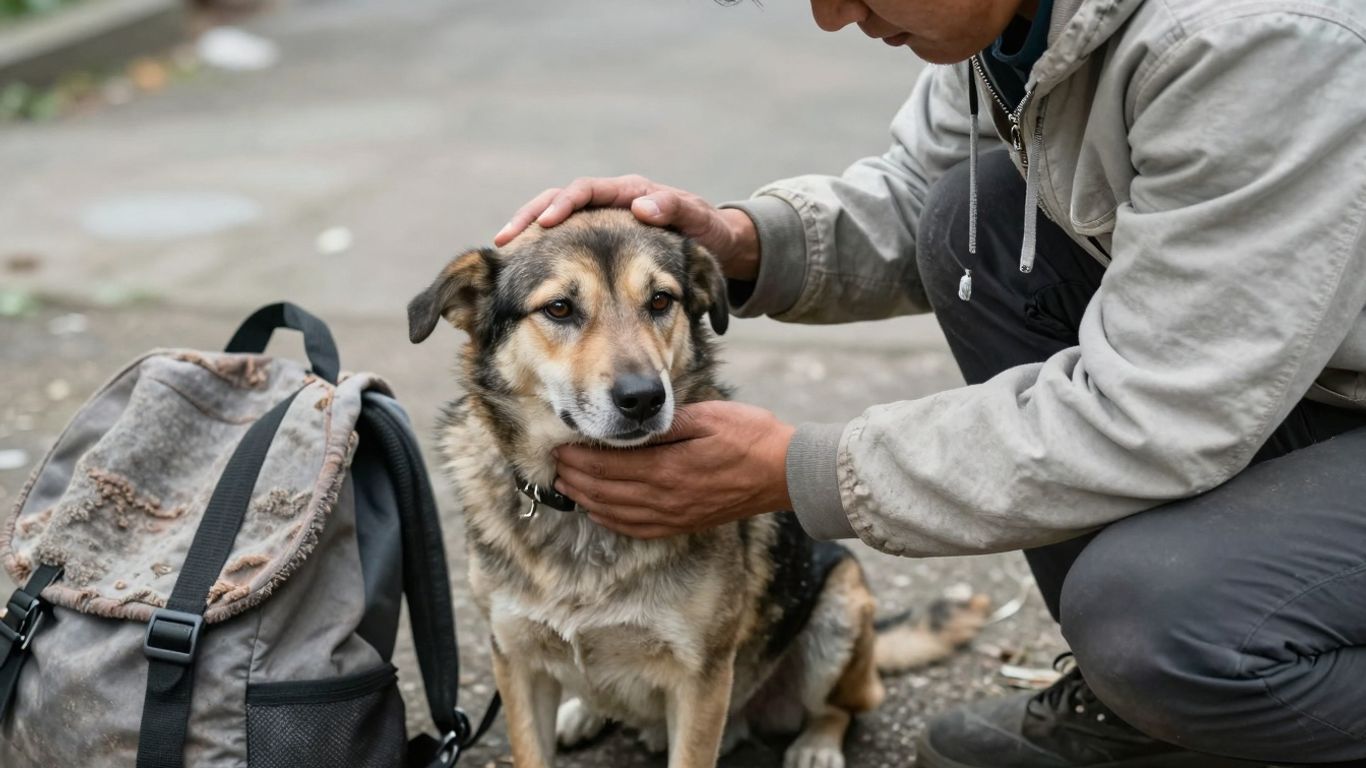
When we find ourselves without a home, the first thing we often look for is a safe place to sleep. However, for many of us with animal companions, this search becomes incredibly difficult. A significant hurdle we face is that most emergency shelters and temporary housing schemes simply don't allow pets. This leaves us in an impossible situation: choose between our beloved animals and a roof over our heads. It's a choice many of us simply won't make. Surveys show a large percentage of people experiencing homelessness avoid shelters precisely because their pets aren't welcome. Even when a shelter does permit animals, space is often very limited, or they demand paperwork like vaccination records, which are hard to come by when you're living on the streets.
Housing Restrictions And Pet Policies
Finding a permanent place to live presents its own set of problems. Affordable housing, especially in cities, frequently has strict rules against pets, or limits the type and size of animals allowed. These rules are usually put in place because of worries about noise, damage, or insurance issues. But for us, they create a massive barrier to getting settled. Pet-friendly flats are often much more expensive, or there just aren't enough of them, making them out of reach for those of us with little or no income. We've also found that getting the necessary paperwork for emotional support animals, which are recognised in many places, can be a real struggle. Without a stable address, regular access to healthcare, or internet, obtaining these documents is often impossible. This means we're frequently forced to make that awful choice again – keep our pet or find housing. Sadly, this often results in us sleeping rough or in less safe situations because we refuse to abandon the animals we care for so deeply. The love and loyalty we receive from our pets are often the only constant in our lives, and asking us to give that up for shelter is a profound ask.
It's a common misconception that people without homes can't look after their pets. We love our animals deeply and will always find ways to care for them, often prioritising their needs above our own. We'd rather sleep on the street than be separated from our companions.
Supporting Homeless Individuals And Their Pets
The Importance Of Pet-Friendly Shelters And Services
We know that for many people experiencing homelessness, their pets are not just animals; they are family. They offer comfort, a sense of purpose, and an unwavering loyalty that can be hard to find elsewhere. When seeking shelter, the thought of being separated from these companions can be a significant barrier, often leading individuals to avoid services altogether. This is why we must champion the creation and expansion of pet-friendly shelters and support services. These places acknowledge the deep bond between people and their pets and work to keep them together.
The presence of a pet can make a person feel less alone and more connected to the world around them. It's a simple truth that a wagging tail or a gentle purr can make a difficult day more bearable.
These services go beyond just allowing pets; they often provide vital resources. This can include:
- Access to veterinary care, sometimes through mobile clinics or partnerships with local vets.
- Supplies like pet food, bedding, and toys.
- Advice and support on pet behaviour and care.
- Assistance in finding long-term, pet-friendly housing solutions.
By offering these provisions, we help to alleviate the stress on both the owner and the pet, making the journey out of homelessness a little less daunting.
Addressing Misconceptions About Pet Care
There's a common, and frankly unfair, assumption that people experiencing homelessness cannot adequately care for their pets. This simply isn't true. We've seen countless examples of individuals who, despite having very little themselves, will go to great lengths to ensure their animal companions are fed, safe, and loved. Their pets are often their primary source of emotional support and a reason to keep going. Choosing to separate a person from their pet for the sake of shelter is often a choice that causes more harm than good.
We need to challenge these stereotypes. People experiencing homelessness often treat their pets with the same care and devotion as housed individuals. The responsibility of caring for an animal can even provide a sense of routine and purpose, which is incredibly beneficial when facing instability. Instead of judging, we should be looking for ways to support these existing bonds and provide resources that help maintain them. This means educating ourselves and others about the reality of pet ownership in these circumstances and advocating for policies that recognise pets as integral members of the family unit.
Moving Forward
It's clear that the bond between people experiencing homelessness and their pets is incredibly strong. These animals are often their only source of comfort and unconditional love. Yet, the systems meant to help often create barriers, forcing impossible choices. We need to do better. This means more shelters that welcome pets, housing options that don't exclude them, and better access to vet care for everyone. By supporting initiatives that keep people and their pets together, we acknowledge the whole person and offer a more humane path forward. It’s not just about providing a roof; it’s about keeping families, in all their forms, intact.
Frequently Asked Questions
Why do people experiencing homelessness keep their pets?
For many of us facing homelessness, our pets are more than just animals; they're our family. They offer us unconditional love, comfort us when we're feeling down, and give us a reason to keep going. It can be incredibly lonely out there, and a pet is often the only friend who's always there for us, offering protection and a sense of purpose. We'd rather face the streets with our loyal companions than be separated from them.
What stops homeless people from using shelters?
A big reason many of us avoid shelters is that most don't allow pets. We're often faced with an impossible choice: leave our beloved pets behind or stay on the streets. Even when shelters do allow animals, they might have very limited space or ask for paperwork like vaccination records, which can be really hard to get when you don't have a permanent home. Finding housing that accepts pets is also a huge challenge, as many places have strict rules or charge a lot more, making it impossible for us to find a stable place to live with our furry family members.
Can homeless people really look after their pets?
It's a common belief that we can't care for our pets, but that's simply not true. We love our animals deeply and will always find ways to provide for them, even with limited resources. We often share our food, make sure they have a safe spot to sleep, and seek out any available veterinary care. Our pets are our lifeline, and we treat them with the same love and responsibility as anyone else would. We'd rather go without ourselves than let our pets go without.