resident room searches homeless hostel
Key Takeaways
Ensuring that resident room searches in a homeless hostel are both fair and safe requires a delicate balance between institutional duty and individual privacy. These policies must be clearly communicated, consistently applied, and rooted in human rights awareness to maintain the trust essential for effective support work.
- Staff must understand that resident privacy remains a fundamental right even in temporary accommodation settings.
- Transparent policies ensure that everyone understands the specific triggers that necessitate room searches.
- Conducting professional, two-person searches prioritises accountability and reduces potential conflict between staff and residents.
- Clear protocols for handling confiscated items protect both the facility and the resident from disputes over property.
- Regular training on trauma-informed care and de-escalation is critical for maintaining a supportive and safe living environment.
Legal and ethical considerations for room searches
Adherence to the Human Rights Act and privacy expectations
Managing a facility involves navigating complex legal frameworks regarding personal space and the Centre for Homelessness Impact provides context on how these environments operate within the UK. We recognise that residents, whilst in temporary housing, maintain a reasonable expectation of privacy within their rooms. Searches must not be arbitrary, as the law often compares them to legal precedents that protect residents from unreasonable intrusion. This means that any search must be justifiable and proportionate to the circumstances, aligning with established legal principles that safeguard individual liberties.
Understanding tenancy agreements and hostel operational licenses
Our operational procedures are guided by the specific terms outlined in our tenancy agreements. These documents serve as the foundation for our rights to maintain a secure environment, but they are not blanket permissions for unfettered access. It is vital that our staff members understand the exact limitations of their operational licenses to avoid overstepping established boundaries during daily interactions.
Balancing institutional safety with resident human rights
Safety is a primary concern in any residential setting, and we often look to wider municipal guidance, such as shelter and housing options offered by local authorities, to frame our safety protocols. We must navigate the conflict between protecting the collective wellbeing of all residents and respecting their individual rights. This balance is maintained by strictly limiting searches to situations where there is a genuine, documented concern for safety.
Evaluating individual circumstances versus general safety protocols
Every resident brings unique personal history and needs, which may influence how we approach room inspections. We avoid applying a one-size-fits-all approach, instead conducting an evaluation of the individual circumstances before moving forward. By tailoring our response to specific scenarios, we demonstrate a commitment to fairness while still upholding the safety standards required for a communal living space.
Implementing a transparent room search policy

Defining clear triggers for conducting a search
Our policy dictates that searches occur only under specific, pre-defined circumstances. To ensure staff act with consistency, we maintain a list of standard triggers that justify an intervention:
- Reports of hazardous materials posing an immediate threat to the building.
- Strong evidence of stored illegal substances or potential weapons.
- Repeated failure to comply with safety-related room maintenance rules.
- Urgent welfare checks after a resident has missed multiple scheduled appointments.
These triggers are strictly defined to prevent misuse and provide a clear framework for when a search is objectively necessary.
Communicating search protocols during the induction process
We believe that transparency starts on day one. During the induction phase, every resident receives a clear explanation of our expectations and the specific conditions under which room access might occur. We explain that this process is designed entirely for the collective security of the community, ensuring no surprises if a search protocol is ever activated.
Establishing clear authorisation levels for staff
Authorisation to conduct a search is not open to all staff; it must be granted by a senior duty manager who verifies the justification against our incident logs. This check-and-balance system prevents individual staff members from launching inspections on their own authority. By limiting decision-making to designated leaders, we maintain a higher level of oversight and institutional accountability.
Periodic review of search policies and effectiveness
Policies are living documents that require consistent refinement. We hold quarterly review sessions to evaluate whether our current search procedures are still effective in preventing safety risks without causing unnecessary distress to residents. Listening to the outcomes of these reviews allows us to refine our approach and ensure our policies remain fit for purpose.
Best practices for conducting professional searches
Ensuring two-person operation for accountability
We maintain a strict policy that no staff member enters a resident’s room for a search alone. Having two people present serves as a safeguard, providing a witness to the proceedings and ensuring that interactions remain professional and documented. This practice significantly reduces the likelihood of misunderstandings and protects both the residents and the staff from unfounded allegations.
Respecting personal property and dignity during searches
Respect forms the core of our interaction with residents, regardless of the circumstances necessitating a search. We handle all personal belongings with extreme care and avoid unnecessary disturbance of the resident’s living space, ensuring that the process remains as low-impact as possible. As we often tell our teams:
Dignity for the individual must remain a priority, regardless of the necessity of the search process. When residents feel their personal items are handled with respect, it reduces the psychological stress associated with the inspection, paving the way for better cooperation and long-term resolution of the underlying safety issues.
By keeping this perspective at the forefront, our staff ensures that even a difficult encounter remains centered on professional standards.
Documenting findings and actions taken immediately
Every action taken during a search is meticulously logged in our central database. If an item is removed or a risk is identified, the report must be completed before the staff member leaves the building for the day. Timely documentation is the only way to ensure that our internal reviews and potential appeals are handled with complete and accurate information.
Providing formal notification to the resident involved
If a search is conducted, we provide the resident with a formal written notification outlining exactly why the search happened and what, if anything, was found. We don't believe in leaving residents in the dark, as open communication is the best way to prevent the development of fear or resentment in an already vulnerable population.
Managing items found during searches
Differentiating between prohibited items and personal belongings
Staff exercise careful judgment when distinguishing between items that present a genuine risk and those that are merely personal possessions. We maintain an internally approved list of prohibited items, and our training ensures that staff do not conflate personal clutter with actual threats, respecting the difference between lifestyle standards and mandatory safety requirements.
Protocols for storing confiscated items or hazardous materials
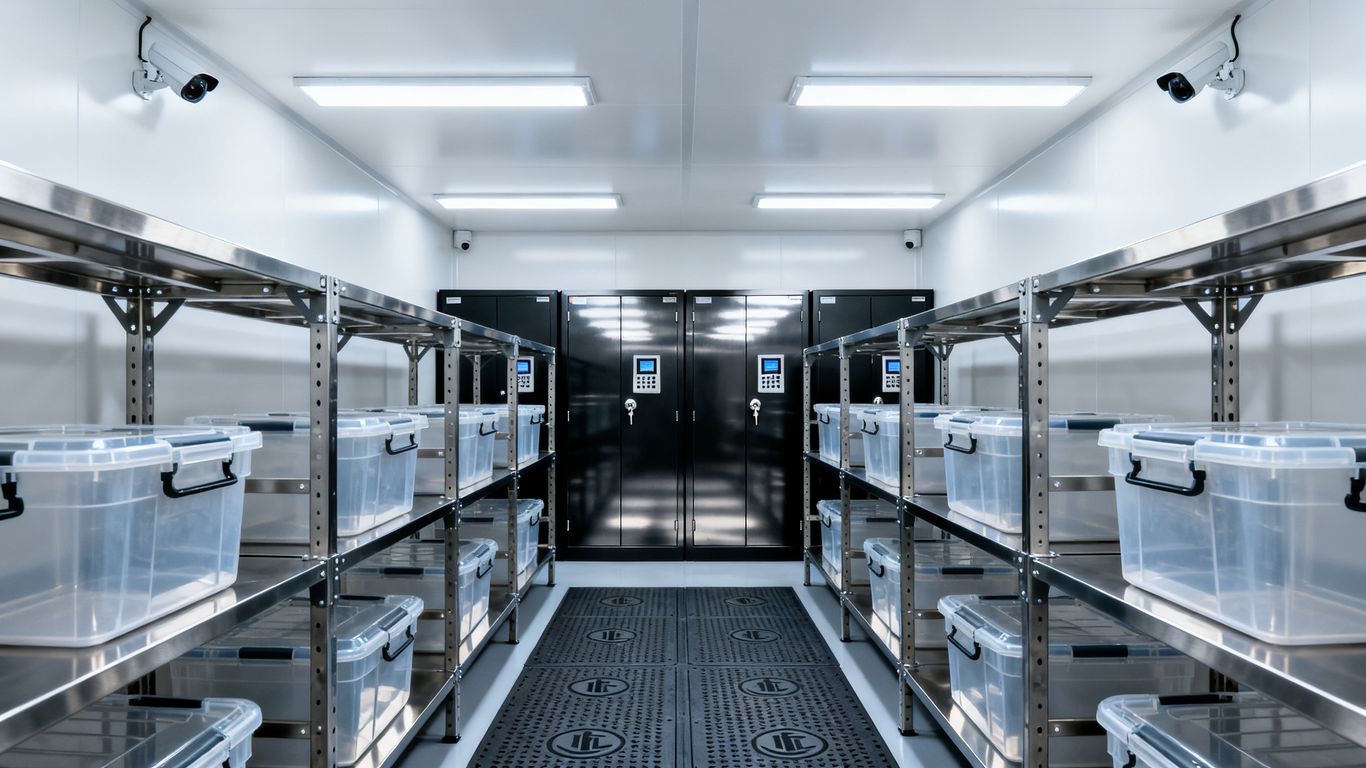
Any item removed for safety reasons is immediately photographed, logged, and secured in a locked storage facility. These items stay under lock and key, with access restricted to authorized management, until the resident can demonstrate that they can keep the item safe or until it is disposed of according to standard protocols for hazardous materials.
Engaging external agencies for illegal substances or potential weapons
We are not a law enforcement entity, and therefore we defer to external specialists when we encounter illegal substances, paraphernalia, or potential weapons. Our standing arrangements with professional agencies ensure that these items are removed and handled safely and legally, without placing our own staff in unnecessary jeopardy.
Tracking the chain of custody for any removed items
We maintain a rigorous chain of custody log for every single item removed from a room. From the moment of seizure to the final disposition, every staff member who touches the item must sign off on the record. This meticulous logging process provides an audit trail that we rely on if there is any question regarding the handling of resident property.
Staff training and safeguarding responsibilities
Developing skills in de-escalation and conflict resolution
Training our staff in de-escalation is perhaps the most important investment we make in our search protocols. We teach practical techniques to help maintain calm during high-stress situations, ensuring our employees can manage conflict without resorting to aggression or intimidation.
Prioritising trauma-informed approaches to rule enforcement
Many residents experiencing homelessness have histories of significant trauma, and we align our internal practices to acknowledge this reality. By using trauma-informed care, we change the tone of our enforcement, viewing rule compliance through a lens of support rather than punishment.
Recognising signs of vulnerability or distress during inspections
Inspections provide a rare, up-close opportunity to observe the health and mental state of residents, particularly those who might otherwise isolate themselves. Our team is trained to spot indicators of distress or decline, allowing us to pivot from rule enforcement to offering additional care or health resources where necessary.
Supporting staff wellbeing after difficult or confrontational incidents
Conducting searches can be emotionally draining for staff, especially when they encounter confrontational residents. We provide debriefing sessions and ongoing emotional support to ensure our team members feel stable and valued. We recognise that the mental wellbeing of our staff is directly linked to the quality of the care they provide to our residents.
Addressing resident concerns and feedback
Establishing formal appeal and grievance procedures
Residents have the right to challenge the results or the handling of a room search. If a resident feels the process was unfair, we offer a clear appeal path where an independent member of management reviews the evidence and the search logs to ensure that all protocols were followed correctly.
Maintaining housing stability while enforcing safety rules
Our priority is to keep residents stably housed, which means we strive to avoid eviction even when safety rules have been breached. We view the enforcement of search policies as an opportunity to address problems rather than a justification for removal, provided the resident is willing to work with us on safety corrections.
Encouraging open dialogue with residents regarding search procedures
We host regular house meetings where residents are encouraged to give feedback on how we facilitate safety measures. By listening to their concerns about room access, we create a sense of shared responsibility rather than an adversarial relationship between staff and the people we serve.
Conclusion
Conducting room searches in a hostel is a profound responsibility that demands a balance of firm safety rules and empathetic, human-centered practice. By adhering to transparent, documented, and respectful protocols, we not only protect the integrity of our building but also foster a climate of trust and security. Ultimately, our search policies are intended to be a safety net that protects every resident, enabling us to provide a more stable transitional environment as residents work toward securing their own long-term housing.
Frequently Asked Questions
Can staff enter my room while I am not home?
Generally, staff only enter rooms for scheduled maintenance, welfare checks, or when a safety-related trigger is met; in such cases, another staff member acts as a witness.
Why do I need to follow rules about my personal belongings?
Rules regarding items in rooms are typically focused on fire safety, public health, and preventing the storage of hazardous or prohibited materials that could harm others.
Who decides that my room needs to be searched?
Searches are authorised by a duty manager who evaluates the situation against established safety policies rather than leaving the decision to an individual worker.
How will I know if my room was searched while I was out?
Staff are required to provide formal written notification detailing why the search occurred, who conducted it, and a list of any items that were moved or confiscated.
Can I appeal if I feel my belongings were handled poorly?
Yes, there is a formal grievance procedure available where you can report your concerns, and the matter will be investigated by a senior member of the management team.
What happens to confiscated illegal items?
Items determined to be illegal or high-risk are not kept on site; instead, they are professionally handled by external agencies that manage their safe disposal or processing.
Does the staff team support me after a search has happened?
Yes, we encourage staff to discuss the search with the resident afterward to address concerns, re-establish trust, and ensure the resident understands the safety measures in place.