Security Without Fear: How to Create Safe and Welcoming Hostels
When we travel, finding a safe and welcoming place to stay is pretty high on the list of priorities. Hostels, with their social vibe and budget-friendly nature, are a fantastic choice for many of us. But let's be real, shared spaces can sometimes feel a bit daunting. We want to enjoy the camaraderie without any worries. That's why thinking about safety, and especially trauma-informed security UK practices, is so important for making hostels feel like a home away from home for everyone.
Key Takeaways
- Before booking, we should always do our homework on the neighbourhood's safety and the hostel's own security measures, like checking for lockers and staff presence. Reading reviews from other travellers is also a good way to get the real lowdown.
- Making our personal space secure is key. This means using the lockers provided for valuables and generally staying aware of our surroundings, even in a friendly hostel environment.
- Understanding the community dynamics and practising clear communication helps create a supportive atmosphere. This is especially important when we consider trauma-informed security UK, ensuring everyone feels respected and safe.
Prioritising Safety Through Diligent Research

Before we even think about packing our bags, we need to do our homework. It might sound a bit tedious, but honestly, a little bit of preparation goes a long way when we're travelling. We're talking about making sure the places we're considering staying are in areas that feel safe, and then looking into what security measures the hostels themselves have in place. It’s about being smart and informed so we can relax and enjoy our trip without unnecessary worry.
Assessing Neighbourhood Safety
When we're choosing a hostel, the neighbourhood is just as important as the hostel itself. We should spend some time looking into the general safety of the area. This means checking online reviews, looking at crime statistics if they're available, and even seeing what local forums or travel blogs say about the vicinity. Sometimes, a quick look at a map can tell us a lot – is it near public transport? Are there well-lit streets? Are there plenty of other businesses and people around, especially after dark?
- We should aim to stay in areas that are well-populated and have good lighting.
- Research local transport options and their safety records.
- Read recent reviews from other travellers about their experiences in the neighbourhood.
It's easy to get caught up in the excitement of a new destination, but taking a few extra minutes to understand the local environment can prevent a lot of potential problems down the line. We want to feel comfortable walking around, not just during the day, but also when we're heading back to the hostel after a late-night adventure.
Investigating Hostel Security Measures
Once we've narrowed down our choices to hostels in decent areas, we need to look at what they offer in terms of security. This isn't just about whether they have locks on the doors. We should be asking about things like:
- 24-hour reception or staff presence: Knowing someone is around at all times can be reassuring.
- Secure entry systems: Do they have key cards, fobs, or just a simple lock?
- CCTV surveillance: Are there cameras in common areas and hallways?
- Locker availability: Are there lockers in the dorm rooms, and are they a decent size and sturdy?
- Staff training: Do staff know how to handle security issues or emergencies?
We can usually find this information on the hostel's website or booking pages. If not, don't hesitate to send them an email or give them a call. A hostel that takes security seriously will be happy to share their procedures. It shows they care about their guests' well-being, which is exactly what we're looking for.
Creating A Secure Personal Space
Staying in a hostel is a fantastic way to meet people and experience new places, but it also means sharing your living area. We need to find a balance between enjoying the social side of things and making sure we feel comfortable and secure. Creating a personal sanctuary within the shared space is key to having some peace and quiet, while still being respectful of others.
Utilising Secure Storage Solutions
One of the first things we should think about is where to keep our belongings safe. Hostels usually provide lockers, which is a good start. However, we often feel more secure bringing our own lock. A small combination padlock is easy to pack and gives us peace of mind. It's a simple step that can deter opportunistic theft. We should consider putting important items like passports, cash, wallets, and any irreplaceable valuables in these lockers. It’s a lesson learned from personal experience; having a secure spot for these things can make a big difference.
Here's a quick look at what to consider for your locker:
- Type of Lock: Combination locks are convenient as there's no key to lose. Look for ones with easy-to-read numbers or letters.
- Size: Ensure the lock is small enough to fit through the locker's hasp without being too bulky.
- What to Store: Prioritise your passport, money, phone, important documents, and any sentimental items.
Beyond lockers, we can also use travel security bags, like money belts or anti-theft backpacks, to keep our essentials close to us at all times. This way, even when we're out and about, our most important items are protected.
Maintaining Personal Vigilance
While secure storage is important, we also need to be aware of our surroundings. It's easy to get caught up in the excitement of travel, but a little bit of personal vigilance goes a long way. This doesn't mean being constantly worried, but rather being mindful.
- Be Aware of Your Surroundings: Pay attention to who is around you, especially when you're handling valuables or in crowded areas.
- Secure Your Room: Always double-check that your dorm room door is locked when you leave, even if it's just for a short while.
- Trust Your Gut: If a situation or a person feels off, it's usually best to remove yourself from it. Don't hesitate to speak to hostel staff if you feel uncomfortable.
We should remember that while hostels are generally safe and welcoming, being aware and taking simple precautions helps us relax and enjoy our trip more fully. It's about being prepared, not paranoid.
Sometimes, noise can be a disruption to our personal space. Using earplugs or headphones can be a lifesaver when you need some quiet time to rest or just think. It’s a small thing, but it can really help us recharge in a busy hostel environment.
Fostering A Trauma-Informed Security UK Environment
Understanding Hostel Community Dynamics
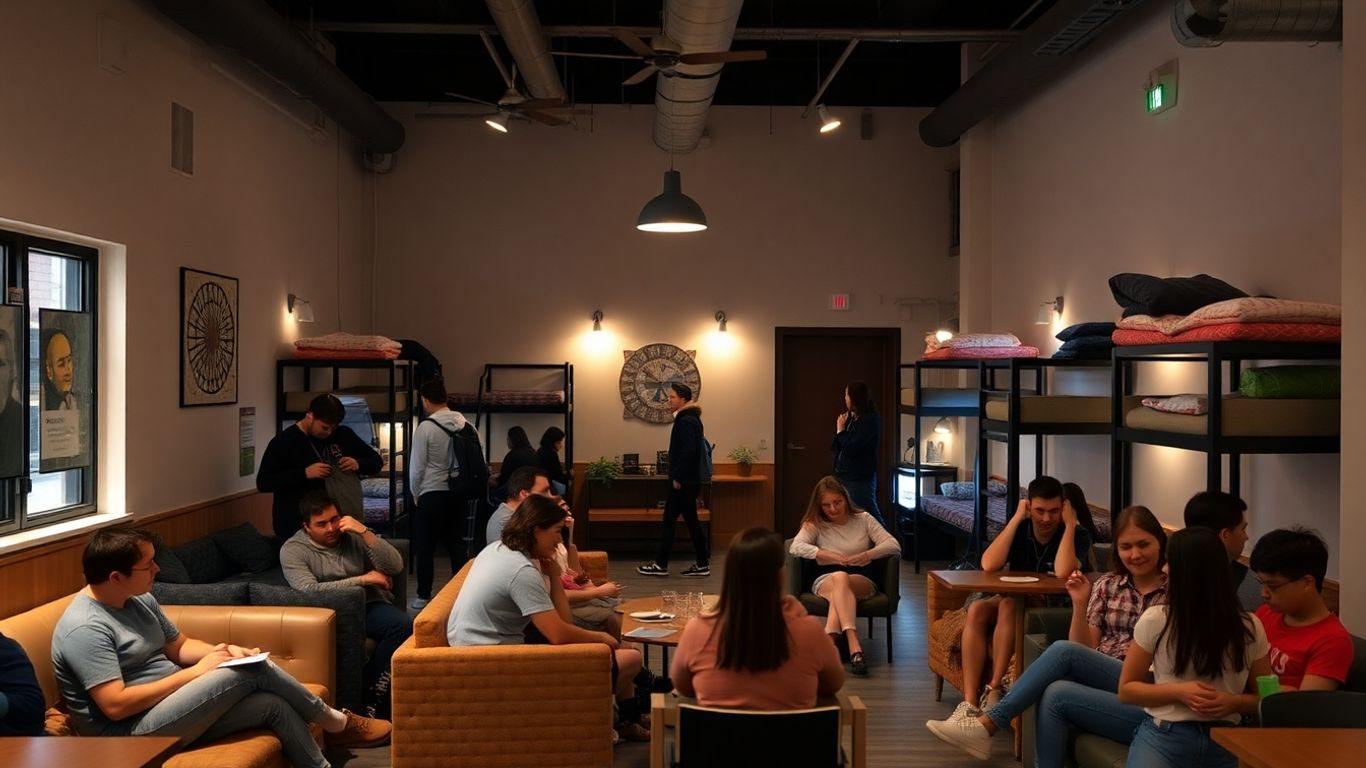
When we stay in hostels, we're not just renting a bed; we're joining a temporary community. It's important to remember that people come to hostels for all sorts of reasons, and some might be carrying burdens we can't see. Thinking about this helps us create a more considerate atmosphere for everyone. We should be mindful that past experiences can affect how people feel and react. A little bit of awareness goes a long way in making sure everyone feels safe and respected.
- Observe and Adapt: Pay attention to the general vibe in common areas. Is it loud and boisterous, or quiet and reserved? Adjusting our own behaviour to match the prevailing atmosphere can prevent unintentional disruptions.
- Respect Personal Space: Even in a shared dorm, people need their own bubble. Avoid crowding others' beds or personal belongings. Always ask before borrowing anything.
- Be Mindful of Noise: Late-night chats or early morning departures can disturb others. Using headphones and keeping voices low during quiet hours is a simple courtesy.
We all share this space, and a little consideration for others' needs and comfort can make a big difference to everyone's stay. It's about building a temporary home where everyone feels at ease.
Effective Communication and Conflict Resolution
Sometimes, disagreements or misunderstandings pop up in shared living spaces. Having a plan for how we handle these situations can make things much smoother. It’s about talking things through calmly and finding solutions that work for everyone involved. We want to avoid escalating tensions and instead aim for a peaceful resolution.
- Speak Directly and Calmly: If something is bothering you, try to address it directly with the person involved, in a private and calm manner. Avoid gossiping or complaining to others first.
- Listen Actively: When someone else has a concern, really listen to what they're saying without interrupting. Try to see things from their perspective.
- Seek Mediation if Needed: If direct communication isn't working, don't hesitate to ask hostel staff for help. They are there to assist in resolving issues fairly.
We believe that by approaching interactions with empathy and a willingness to communicate openly, we can maintain a positive and secure environment for all our guests.
A Welcoming Stay for Everyone
As we've seen, hostels offer a fantastic way to travel affordably and connect with others. By taking a few sensible steps – like researching your location, securing your belongings, and being mindful of shared spaces – we can all contribute to a safe and friendly atmosphere. It's about balancing our own needs with those of fellow travelers, creating an environment where everyone feels comfortable and can focus on the adventure ahead. We believe that with a little preparation and consideration, hostel stays can be truly memorable and positive experiences for all of us.
Frequently Asked Questions
How can we make sure the hostel we choose is in a safe area?
We should check online reviews and news for the neighbourhood. Looking at whether the streets are well-lit at night and if there are many people around can also give us a good idea. Sometimes, just looking at maps and seeing if it's close to public transport or popular spots can tell us a lot about how safe it might be.
What are the best ways to keep our belongings safe in a shared hostel room?
Most hostels provide lockers, so we should definitely use those for our valuables like passports, money, and electronics. Bringing our own padlock is a good idea for extra security. We can also consider using travel security bags or money belts for things we need to carry with us during the day.
How can we handle uncomfortable situations or conflicts with other travellers in a hostel?
If we feel uneasy about something, it's important to trust our instincts. We can try talking to the person directly if it feels safe, or we can speak to the hostel staff. They are usually there to help resolve issues and make sure everyone has a pleasant stay. Sometimes, just moving to a different bunk or asking to switch rooms can sort things out.