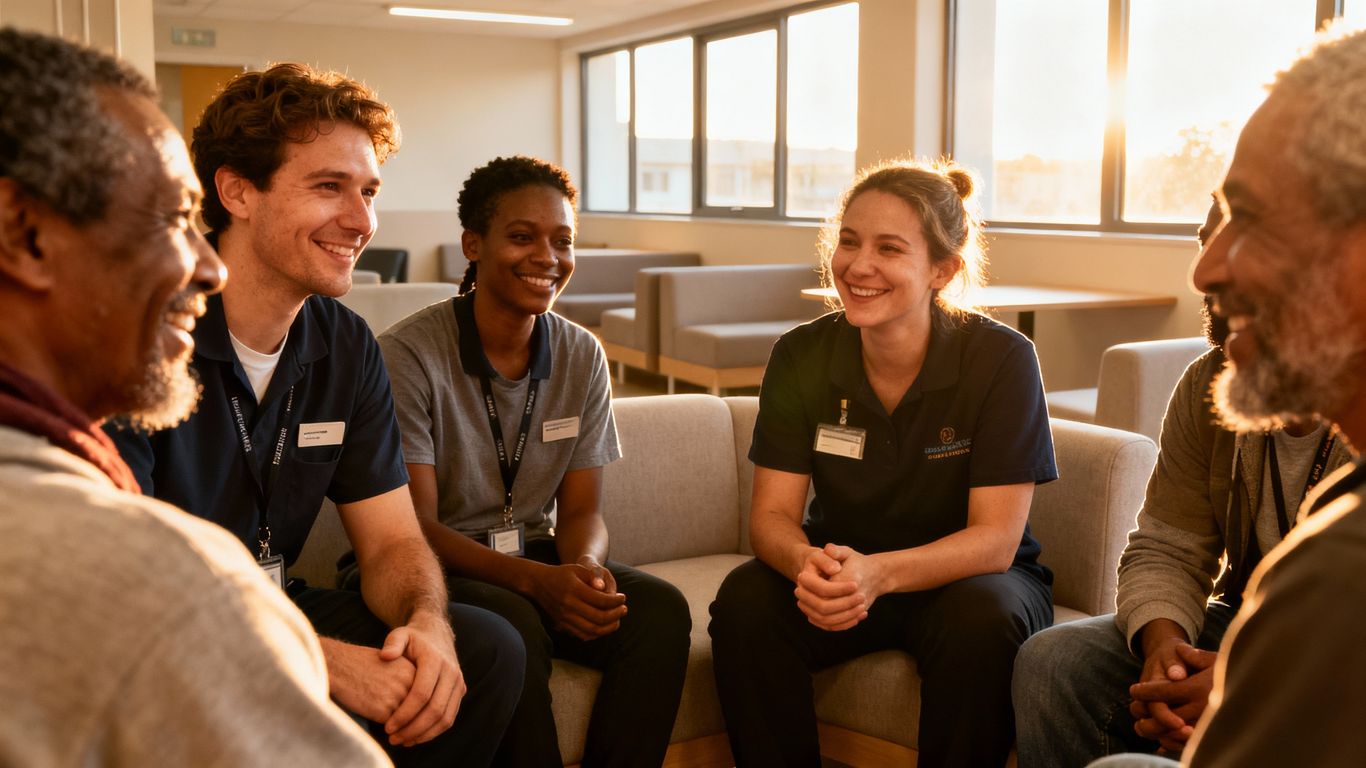
Support Workers for Hostels: Enhancing Care and Safety Overnight

When we think about hostels, especially those providing overnight support, the people working behind the scenes are really important. We're talking about the support workers for hostels, the ones who are there when things are quietest. Their presence makes a big difference in keeping everyone safe and helping residents get through the night smoothly. It's a job that requires a lot of care and attention, and it's something we want to shine a light on.
Key Takeaways
- Support workers for hostels are vital for overnight safety and well-being, offering a constant presence that residents can rely on.
- These workers help residents with daily tasks and personal development, assisting them in building skills for independence.
- The effectiveness of support staff relies on clear service models, proper training, and strict adherence to safety, security, and inclusion rules.
The Role of Support Workers for Hostels in Overnight Care
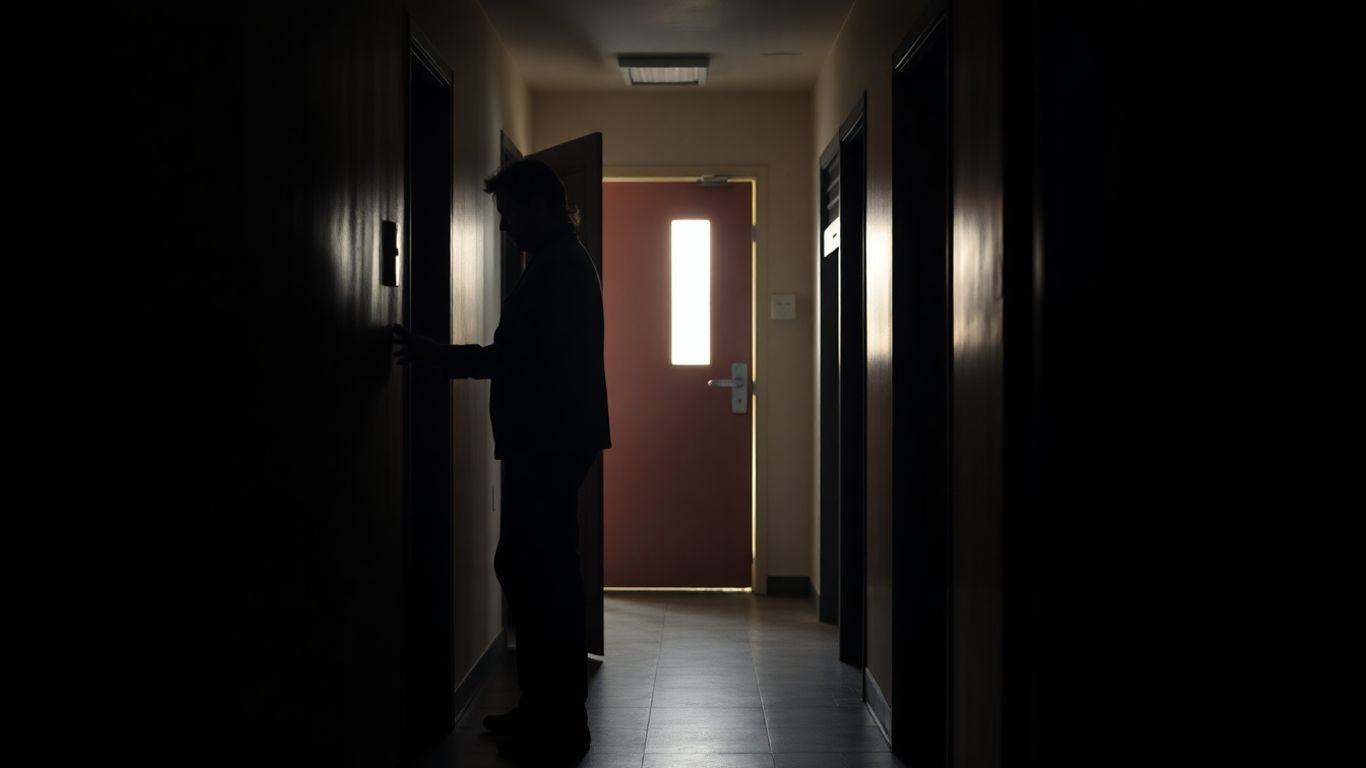
When we work in hostels, especially during the night, our role shifts to being the primary point of contact and support for residents. It’s a time when the usual daytime routines wind down, and a different kind of attention is needed. We’re there to make sure everyone feels safe and looked after, even when things are quiet.
Ensuring Resident Safety and Well-being
Our main job overnight is to keep a watchful eye. This isn't just about being present; it's about actively monitoring the environment and the people within it. We look out for any signs of distress, potential conflicts, or health issues that might arise. A calm and secure atmosphere is paramount for everyone's peace of mind. We also manage access to the building, making sure only authorised people come in and out, which is a key part of maintaining a secure space.
- Regularly checking on residents.
- Responding promptly to any calls for help.
- Maintaining a secure entry and exit system.
- Being aware of any specific resident needs or risks.
Overnight, our presence acts as a deterrent to potential problems and provides immediate assistance should any issues arise. It’s about being a steady, reliable figure in the background, ready to step in when needed.
Facilitating Daily Living Activities and Personal Development
Even though it's overnight, there are still aspects of daily living we assist with. This might involve helping someone prepare for bed, ensuring they have what they need for the morning, or assisting with personal care routines if required. For residents working on personal development, we might support them in reviewing their goals or practising skills they're learning, like managing their time or preparing for appointments. We aim to support their independence wherever possible, even during these quieter hours.
- Assisting with evening routines and personal care.
- Supporting residents in practising life skills.
- Helping residents prepare for the following day.
- Providing a listening ear and emotional support.
Operational Frameworks for Hostel Support Staff
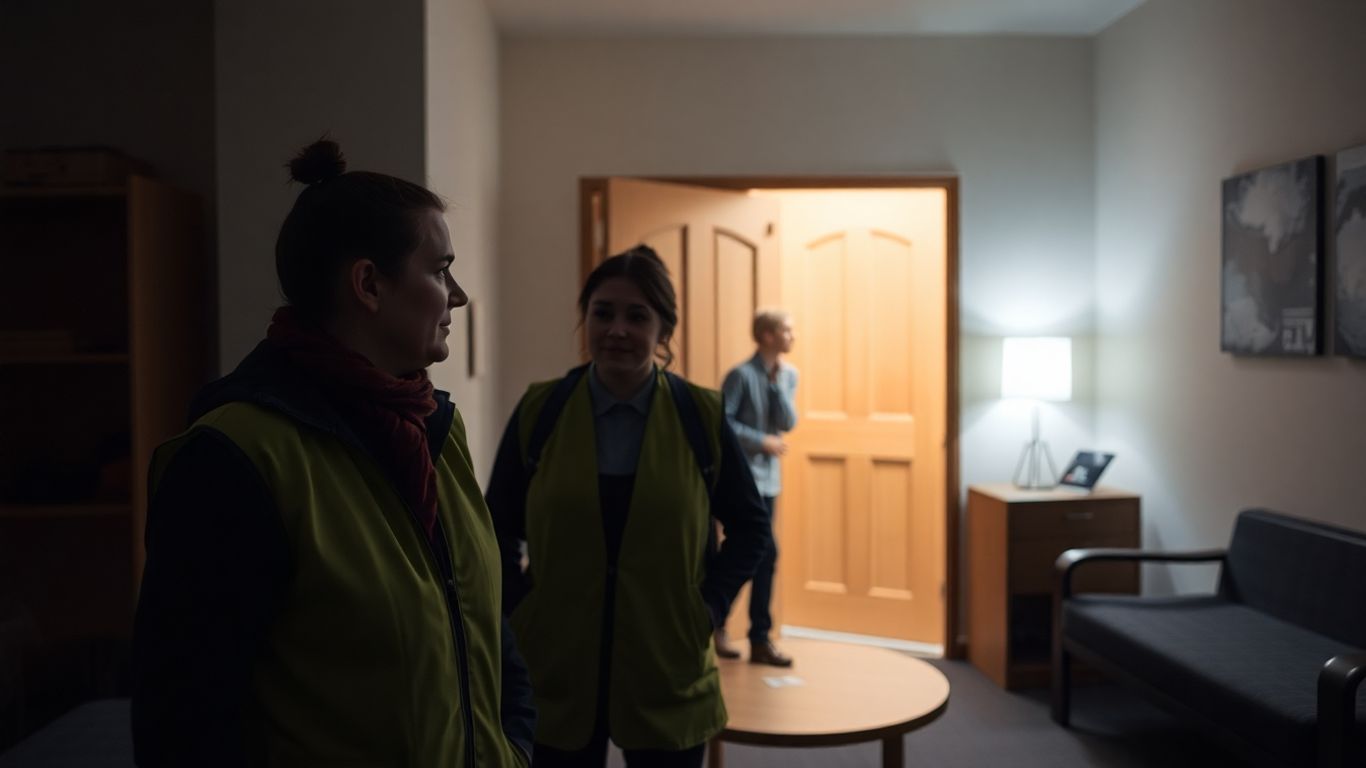
When we talk about running hostels effectively, especially with support staff working overnight, we need a solid structure in place. This isn't just about having people on duty; it's about how we organise their work, what skills they need, and how we make sure everyone is treated fairly and safely.
Service Delivery Models and Staff Qualifications
We need to think about how support is actually given. This can vary a lot. Some hostels might have staff who are always on-site, ready to help with anything from personal care to dealing with a resident's worries. Others might use a model where staff are available but perhaps not constantly in the building, depending on the residents' needs.
- Individual Support Plans (ISPs): A key part of our work is developing and following these plans. Each resident has their own ISP, which is like a roadmap for their care. It's based on what they need, what they want, and what they're good at. We have to make sure the support we give matches what's in the ISP.
- Staff Training: Our staff need the right training. This isn't just a quick induction. We're talking about qualifications in areas like health and social care. Specific training for working with particular needs, like behavioural support or medical conditions, is also really important. We want our team to feel confident and capable.
- Team Structure: How we organise our shifts and teams matters. Do we have a senior support worker overnight? How do staff communicate with each other and with management? Having clear roles helps.
The way we structure our services and train our staff directly impacts the quality of care we provide. It’s about building a system that supports both the residents and the staff working hard to look after them.
Adherence to Safety, Security, and Inclusion Standards
Beyond the day-to-day tasks, we have to be really strict about safety, security, and making sure everyone feels included. This is especially true overnight when things might feel a bit more isolated.
- Safety Protocols: We have clear rules about keeping the building secure. This includes things like checking doors, managing access, and knowing what to do in an emergency. We also need to think about the personal safety of residents and staff, looking out for any risks.
- Inclusion Practices: Hostels are for everyone. Our staff need to be aware of different backgrounds, cultures, and needs. This means treating everyone with respect and making sure our services don't accidentally exclude anyone. We need to be mindful of things like language, religion, and personal identity.
- Reporting and Monitoring: We keep records of what happens. This isn't just paperwork; it helps us see if our safety measures are working and if we're meeting our inclusion goals. If something goes wrong, we have a process for reporting it and learning from it.
Our commitment is to create a hostel environment where every resident feels safe, respected, and part of the community, no matter the time of day.
Making sure your hostel staff have the right tools and plans is super important for everything to run smoothly. We've put together some easy-to-follow guides on how to set up these systems. Want to see how we can help make your hostel operations even better? Visit our website today to learn more!
Looking Ahead: Sustaining Support and Safety
As we wrap up, it's clear that having dedicated support workers on hand overnight in hostels makes a real difference. We've seen how they help with daily tasks, keep things safe, and generally make life a bit easier for everyone staying there. It’s not just about having someone present; it’s about the kind of support they give, which really matters. We need to keep thinking about how to make sure these roles are well-supported and recognised, so they can continue to provide the best care possible through the night. It’s a vital part of making sure hostels are safe and caring places for all.
Frequently Asked Questions
What exactly do support workers do in hostels overnight?
Overnight, we're there to make sure everyone is safe and well. This means keeping an eye on things, helping with any immediate needs that pop up, and generally ensuring a calm and secure environment for all residents. We also assist with personal routines and help residents feel more settled.
What kind of training do support workers have?
We usually have training in areas like health and social services. Many of us also have specific experience or extra training for supporting people with different needs. Our goal is to be ready to help in various situations, always following safety rules.
How do support workers help residents with their daily lives and personal goals?
We help with everyday tasks like getting ready, preparing simple meals, or managing medications if needed. We also support residents in working towards their personal goals, maybe by helping them practice skills like budgeting or using public transport, and encouraging them to take part in community activities or keep up with family connections.