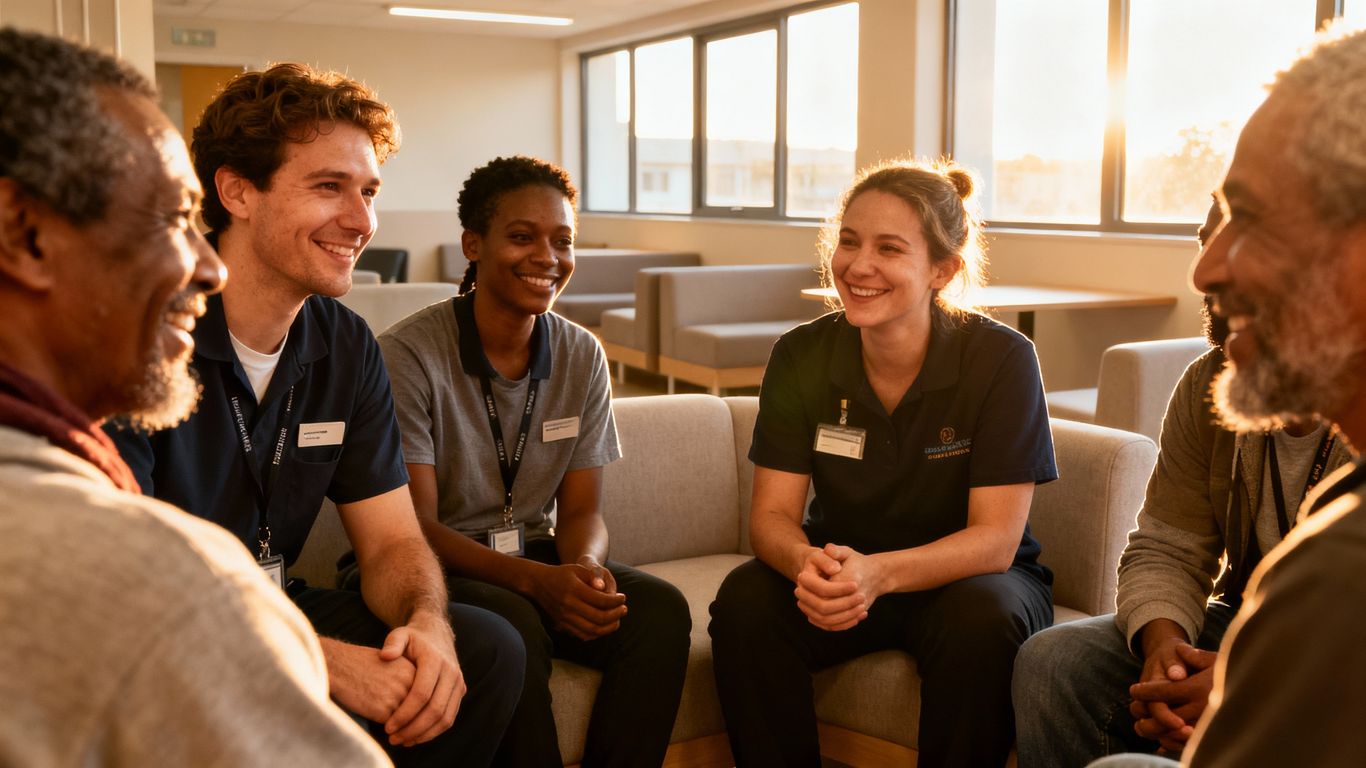
Why Specialist Homeless Hostel Staffing Is Key to Safer Shelters

We've been looking into how homeless hostel staffing makes a real difference. It's not just about having people on hand; it's about having the *right* people. When shelters are properly staffed by professionals who understand the unique challenges faced by those experiencing homelessness, everyone benefits. This means safer spaces for residents and a more sustainable environment for the staff themselves. We think focusing on specialist homeless hostel staffing is the way forward.
Key Takeaways
- Having staff trained to handle complex needs, like mental health or addiction issues, is vital for a safe hostel environment. This specialist homeless hostel staffing means residents get the right support.
- Looking after the well-being of hostel staff is just as important. When staff are supported, they can provide consistent, quality care, which is a big part of effective homeless hostel staffing.
- Properly trained staff are better equipped to manage things like infection control and overcrowding, making shelters safer for everyone. This highlights why specialist homeless hostel staffing is so important.
The Crucial Role Of Trained Professionals In Homeless Hostel Staffing

When we talk about running a homeless hostel, it’s not just about having beds and a roof over people’s heads. It’s about creating a safe space, and that really hinges on the people we have working there. We’ve found that having staff who are properly trained makes a world of difference. They’re not just there to open doors or serve food; they’re often the first point of contact for individuals facing incredibly difficult circumstances.
Equipping Staff With Essential Skills For Complex Needs
We’ve learned that the people who come to us often have a lot going on – maybe mental health issues, addiction problems, or they’ve experienced trauma. It’s a lot to handle, and it’s not something you can just pick up on the job without some guidance. Proper training means our team understands how to approach these complex needs with empathy and effectiveness. It covers things like how to de-escalate a tense situation, how to spot signs of distress, and importantly, how to connect people with the right support services. We’ve seen how much better things work when staff have this knowledge. It means we can offer more than just temporary shelter; we can start to help people rebuild their lives.
- Understanding common mental health conditions
- Recognising signs of substance misuse
- Basic trauma-informed care principles
- Effective communication techniques
Having staff who are well-versed in these areas means we can provide a more stable and supportive environment for everyone. It’s about building trust and showing people that we’re here to help in a meaningful way.
Prioritising Staff Well-being For Consistent Support
It’s easy to focus on the needs of the guests, and rightly so, but we can’t forget about our own team. Working in a hostel can be emotionally draining. We’ve found that supporting our staff’s well-being is just as important as training them. When our team feels supported, they can provide better, more consistent care. This includes things like regular supervision sessions where they can talk through challenging experiences, access to mental health resources, and making sure they have manageable workloads. We’ve seen that when staff burnout, it affects everyone. Investing in their well-being isn't just the right thing to do; it’s practical. It helps keep good people in these roles and ensures the quality of support we offer doesn't dip. It’s about creating a sustainable service, and that starts with looking after the people who make it happen every day. We’ve found that organisations like Homeless Link offer resources that can help us think about staff support structures.
Enhancing Safety Through Specialised Homeless Hostel Staffing

When we talk about making homeless hostels safer places, we’re not just talking about locks and alarms, though those have their place. We’re really talking about the people who work there, day in and day out. Having staff who know what they’re doing, who have specific training for the complex situations that can arise in a hostel, makes a massive difference. It’s about creating an environment where everyone feels more secure.
Implementing Robust Infection Prevention Protocols
This is something that’s become even more obvious in recent years, hasn’t it? In a shared living space like a hostel, keeping infections at bay is a big deal. It’s not just about general cleaning, though that’s important. It’s about having staff who understand how infections spread and what to do about it. This means knowing about things like proper hand hygiene, how to clean surfaces effectively, and what to do if someone is showing signs of illness. We need to be able to spot potential problems early and act fast. This might involve having clear procedures for isolating someone if they’re unwell, or making sure there are enough supplies like hand sanitiser and cleaning products readily available. It’s about being prepared and having a plan, so we’re not caught off guard. A well-trained team can manage these situations calmly and effectively, protecting both residents and other staff members.
Navigating Overcrowding With Expert Staffing Solutions
Overcrowding is a real challenge in many hostels. When there are more people than ideal, things can get tense. This is where having enough staff, and the right kind of staff, really comes into play. People who are experienced in dealing with stressful situations can help de-escalate conflicts before they get out of hand. They know how to communicate with people who might be feeling frustrated or overwhelmed. It’s not just about managing behaviour, though; it’s also about making sure everyone’s basic needs are being met, even when resources are stretched thin. This could mean having staff who are skilled at organising communal spaces, managing queues for services, or simply being a calm presence that people can turn to. Having a consistent team, who residents get to know and trust, is key to building a stable environment, even during busy periods. This consistency helps people feel more settled and less likely to cause disturbances. It’s about having people on the ground who can see what’s happening and respond appropriately, making the hostel a more manageable and safer place for everyone involved. We’ve seen how specialist teams can really help streamline support and make things work better.
Moving Forward: Building Safer Shelters Together
So, as we've seen, having the right people on the ground in homeless shelters isn't just a nice-to-have, it's absolutely vital. These aren't just buildings; they're complex environments where people are often at their most vulnerable. We've talked about how specialist staff, with their specific training and understanding, can make a massive difference in keeping everyone safer, from the clients seeking refuge to the dedicated workers themselves. It's about more than just providing a bed; it's about creating a supportive space where health, safety, and dignity are prioritised. We all have a part to play in making sure our shelters are places of genuine safety and support, and that starts with recognising and investing in the people who make it happen every single day.
Frequently Asked Questions
Why is it important for our shelter staff to have special training?
We believe that having staff with specific training is really important because the people who use homeless shelters often have very complex needs. These can include mental health issues, addiction problems, or other health concerns. When staff are properly trained, they're better equipped to understand and help with these challenges safely and effectively. It means we can offer more than just a bed; we can provide genuine support that makes a difference.
How does having expert staff make our shelter safer?
When we have staff who know what they're doing, especially in challenging situations, it makes everyone safer. For example, trained staff can better manage difficult behaviours, spot health risks early, and make sure rules are followed without causing conflict. They also know how to handle things like cleaning and hygiene properly, which is crucial for preventing illnesses from spreading, especially in crowded places. This expertise helps us keep both residents and our team members secure.
What can be done if our shelter gets too crowded?
Overcrowding can be a big problem and increases the risk of illness spreading. To tackle this, we need smart solutions. This might involve working with other groups to find temporary places for some people to stay, like in community centres or hotels, where there's more space. It's also about having a plan to move people around carefully, perhaps into smaller groups, and ensuring everyone has enough room to stay safe and healthy. Expert staff are key to organising these kinds of moves smoothly.