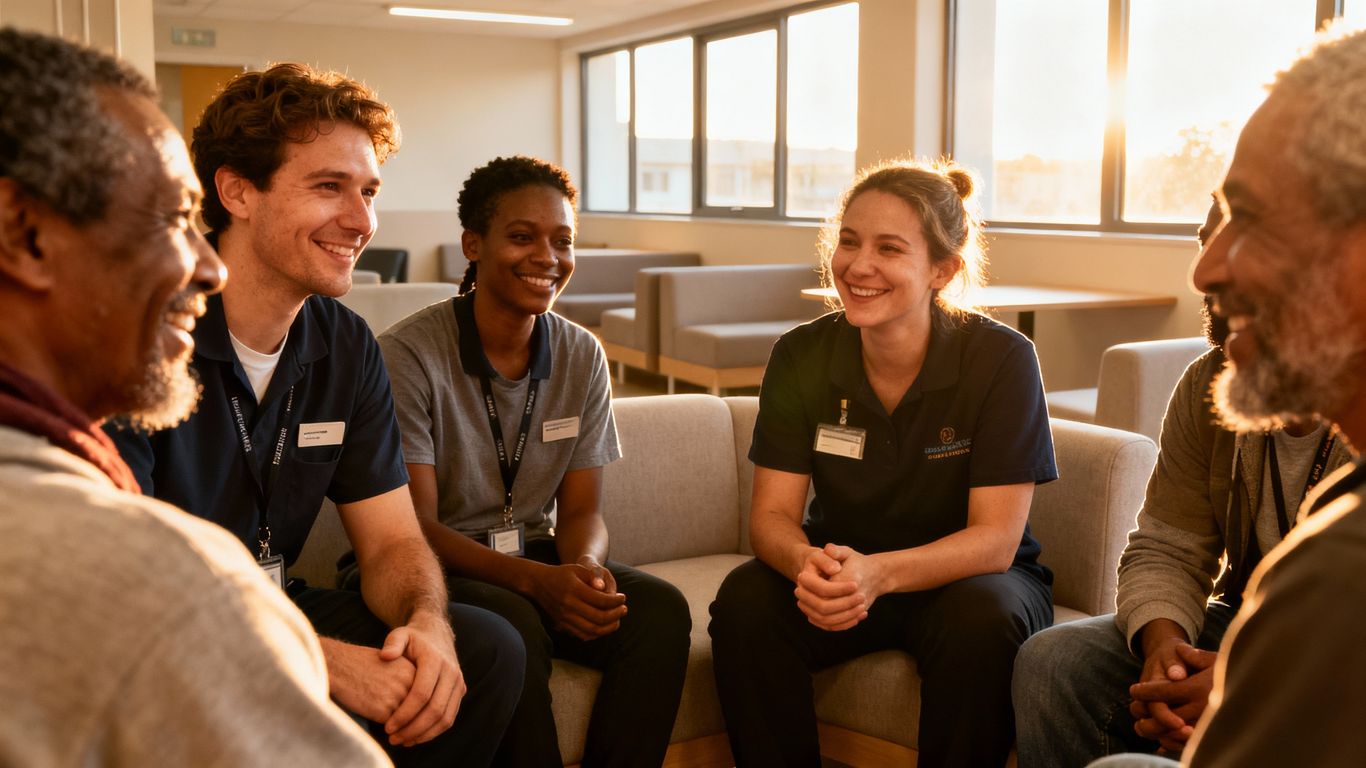
Why Trauma-Informed Training is the New Standard for Homeless Hostel Concierge Teams

Working in a homeless hostel involves managing high-complexity environments where residents often present with deep-seated psychological needs. At HHS Group, we understand that providing a bed is only one part of the equation; the real challenge lies in managing the frontline with a trauma-informed approach that ensures both resident safety and operational stability.
Key Takeaways
- Topical Authority: Understanding the roots of trauma is vital for effective, specialist support in temporary accommodation.
- The HHS Model: Adopting a person-centred approach—using empathetic engagement and building trust—is the hallmark of an HHS Group Trauma-Informed Hostel Concierge team.
- Operational ROI: A trauma-informed lens significantly improves the stability of hostel operations and reduces the risk of "serious incidents".
Understanding The Impact Of Trauma On Hostel Residents
It's easy to see hostel residents as just people needing a bed for the night, but many have gone through things that most of us can only imagine. These experiences, often referred to as trauma, can really shape how someone sees the world and how they act. It's not about a diagnosis; it's about their life story.
Recognising Unique Life Experiences
Everyone's journey is different. For people staying in hostels, trauma can stem from all sorts of places. Think about difficult childhoods, living with constant financial worries, facing discrimination, or experiencing abuse. These aren't just isolated incidents; they can have a lasting effect on a person's mental and emotional state. Understanding that these past events influence present behaviour is key. It means looking beyond the immediate situation and acknowledging the deeper reasons why someone might be struggling.
Implementing the HHS Group Concierge model
Moving toward a trauma-informed approach requires actively changing daily practices to reflect an understanding of resident needs.
- Adverse childhood experiences (ACEs)
- Long periods of homelessness or unstable housing
- Experiences of violence or abuse
- Systemic issues like racism or poverty
These experiences can make it hard for people to trust others, feel safe, or manage daily life. It's important for our hostel staff to remember that challenging behaviours are often survival mechanisms developed in response to difficult circumstances. Shifting our perspective to see these behaviours as reactions to past events, rather than inherent flaws, can make a big difference in how we support residents.
The environment someone has lived in, especially during formative years, can profoundly affect their sense of safety and their ability to form healthy relationships. This isn't something that just disappears when they find a roof over their head; it's a deep-seated impact that requires patience and understanding.
Implementing Trauma-Informed Hostel Concierge Practices
Moving towards a trauma-informed approach means making some real shifts in how we interact with residents and run the hostel day-to-day. It's not just about knowing trauma exists; it's about actively changing our practices to reflect that understanding.
Shifting From Clinical To Person-Centred Language
One of the biggest changes is how we talk about the people we support. For a long time, the focus has been on diagnoses and what's 'wrong' with someone. This can make people feel like they're just a label or a set of problems. Instead, we need to use language that sees the whole person. Think of it like this:
- Instead of saying 'the patient' or 'the client', we use 'the resident' or 'the person'.
- We talk about 'challenges' or 'difficulties' rather than 'symptoms' or 'conditions'.
- We focus on what people can do and what they want to achieve, not just what they're struggling with.
This change in language is more than just semantics; it's about showing respect and acknowledging the individual's journey. It helps build a more equal relationship, where the resident feels like a partner in their own support, not just someone being managed.
Building Trust Through Empathetic Engagement
Trust is the bedrock of any positive relationship, and for someone who has experienced trauma, building that trust can be especially hard. It requires consistent empathy and understanding from us.
Here are some ways we can build that trust:
- Be reliable: Do what you say you're going to do. If you promise to check on something, make sure you follow through. Small actions like this build a sense of safety.
- Listen actively: Really hear what residents are saying, both with their words and their body language. Sometimes people need to feel heard more than they need a solution.
- Be patient: Understand that progress might not be linear. People might have setbacks, and that's okay. Your consistent, calm presence can make a big difference.
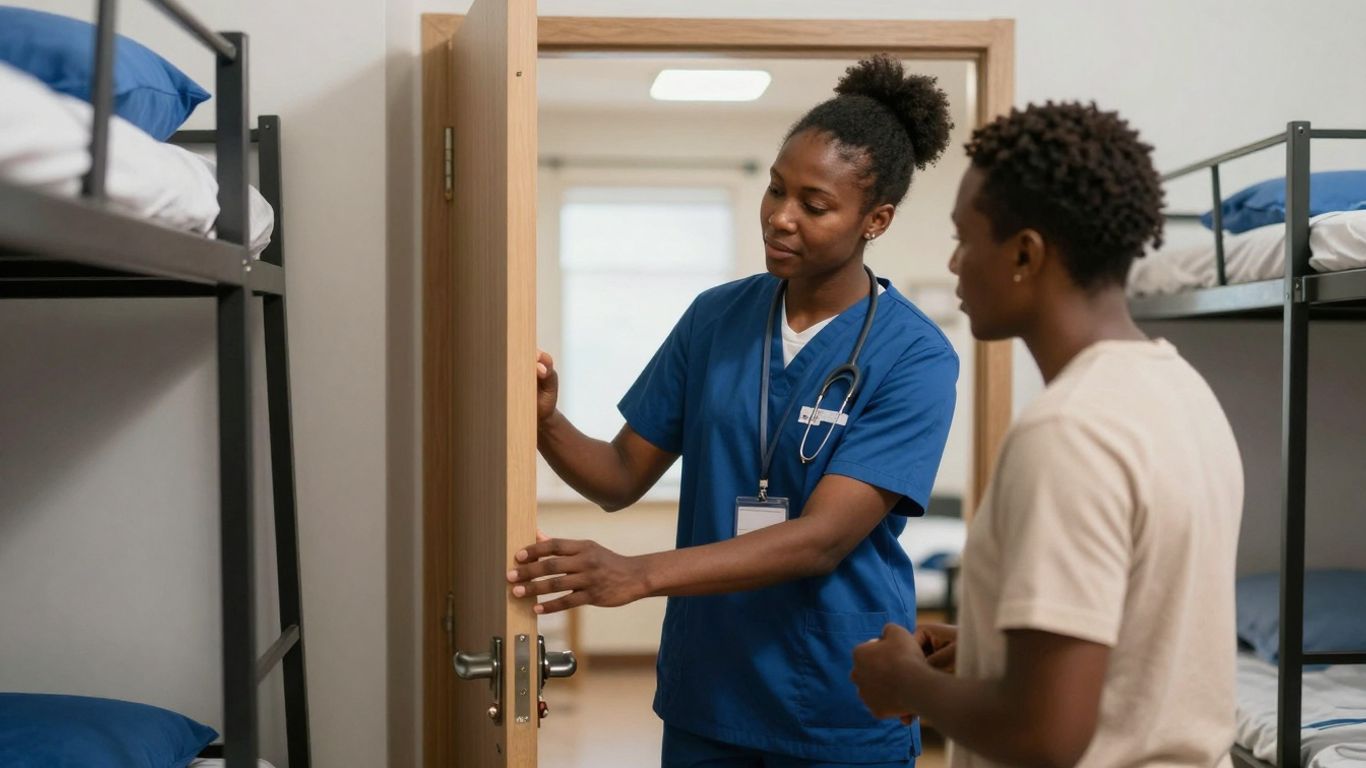
- Respect boundaries: Be mindful of personal space and avoid being overly intrusive. Always ask for permission before entering someone's room, for example.
Creating a safe and welcoming environment is key. This means being aware of how our own actions and the hostel's environment might unintentionally trigger someone's past experiences. Simple things, like maintaining a calm atmosphere and predictable routines, can make a significant difference in helping residents feel secure and respected.
The Benefits Of A Trauma-Informed Approach For Hostel Concierge Teams

Adopting a trauma-informed approach isn't just a nice-to-have; it's becoming a practical necessity for hostel concierge teams. When staff are trained to understand the lasting effects of trauma, they can interact with residents in ways that promote healing and stability, rather than inadvertently causing further distress. This shift in perspective can lead to significant improvements, both for the individuals staying at the hostel and for the smooth running of the service itself.
Enhancing Resident Well-being And Integration
When concierge staff approach residents with an understanding of potential past traumas, the atmosphere within the hostel can change dramatically. Instead of focusing solely on rules and immediate issues, the focus shifts to building rapport and recognising the unique journey each person has taken. This can make residents feel more seen and respected, which is a big step towards them feeling ready to engage with the wider community.
- Building Trust: Empathetic communication, using person-centred language, and showing genuine patience helps create a safe space where residents feel comfortable sharing their needs and concerns. This trust is the bedrock of any positive relationship.
- Reducing Re-traumatisation: By being mindful of triggers and avoiding judgmental language, staff can prevent situations that might remind residents of past negative experiences, thereby supporting their emotional safety.
- Promoting Independence: When residents feel understood and supported, they are more likely to take steps towards personal goals, whether that's finding work, accessing education, or reconnecting with family.
- Community Connection: A trauma-informed environment encourages residents to participate more fully in social activities and community life, aiding their integration beyond the hostel walls.
A hostel that operates with a trauma-informed lens doesn't just provide a roof over someone's head; it offers a stepping stone towards recovery and a more settled life. It acknowledges that past experiences shape present behaviour and aims to support individuals in a way that respects their resilience.
Improving Hostel Operational Stability
The positive effects of a trauma-informed approach extend beyond resident well-being to the practicalities of running the hostel. When staff are equipped with these skills, it can lead to a more settled environment for everyone.
Here are some key operational advantages:
- Reduced Conflict: A better understanding of resident behaviour, often linked to past trauma, allows staff to de-escalate situations more effectively, leading to fewer disputes and a calmer atmosphere.
- Lower Staff Turnover: Working in a supportive, trauma-informed environment can be more rewarding and less stressful for staff. Knowing they have the training and support to handle challenging situations can make the job more sustainable, potentially reducing the number of staff leaving.
- Efficient Resource Use: By addressing issues proactively and building stronger relationships, hostels may see a decrease in the need for emergency interventions or repeated support for the same problems.
- Positive Reputation: Hostels known for their compassionate and effective support systems are more likely to attract positive attention and potentially greater funding or community partnerships.
Understanding how to support people who have faced tough times is super important for hostel concierge teams. A trauma-informed approach helps staff create a safer, more welcoming space for everyone. It's all about being aware and kind. Want to learn more about how we can help your team? Visit our website today!
Moving Forward
So, it's clear that training hostel staff in trauma-informed approaches isn't just a nice idea anymore; it's becoming the standard. When we understand that people's past experiences shape how they act, we can offer support that actually helps, rather than just managing problems. This shift means moving away from old ways of thinking that might have felt controlling and towards creating environments where people feel safe and respected. By equipping concierge teams with this knowledge, hostels can become places that truly help people rebuild their lives, making a real difference in their journey towards stability and community integration. It's about treating everyone with dignity and recognising their unique path.
Frequently Asked Questions
What is trauma-informed training and why is it important for hostel staff?
Trauma-informed training helps hostel staff understand how difficult past experiences, like abuse or neglect, can affect how people behave and feel. It teaches staff to be more understanding and supportive, rather than judging people. This approach makes residents feel safer and more respected, which can help them feel more settled and make positive changes in their lives.
How can hostel concierges use trauma-informed practices in their daily work?
Instead of using clinical or negative labels, concierges can use kind and respectful language that focuses on the person, not their problems. They can build trust by listening carefully, showing empathy, and being consistent. This means understanding that someone might react in a certain way because of past trauma, and responding with patience and support rather than frustration.
What are the main benefits of hostels using a trauma-informed approach?
When hostels adopt a trauma-informed approach, residents often feel better about themselves and more connected to the community. This can lead to fewer problems within the hostel, like conflicts or people leaving unexpectedly. It helps create a more stable and caring environment for everyone, making the hostel run more smoothly and improving the well-being of the people it serves.