Why Warm, Safe Housing Is Critical During Winter Months
As the days get shorter and the temperature drops, we all start thinking about how to keep our homes warm and cosy. It's not just about comfort, though. Making sure our homes are ready for the cold, especially here in the UK, is really important for our health and safety. We need to think about the structure of our homes and how well they can keep the heat in, and also about potential dangers that the cold weather can bring.
Key Takeaways
- Checking the roof and chimney for any damage is a good idea to stop water getting in and smoke from escaping into the house. Proper winter housing solutions UK need to consider these structural bits.
- Making sure our homes are well-insulated and draught-free helps keep the heat inside and lowers heating bills. This is a big part of getting our homes ready for winter.
- We must be aware of risks like carbon monoxide poisoning from faulty heaters and take extra care for anyone who might be more affected by the cold, like the elderly or those with health issues.
Ensuring Structural Integrity For Winter Housing Solutions UK
As the colder months approach, we need to think about how our homes stand up to the winter weather. It’s not just about keeping the heat in; it’s about making sure the building itself is sound. A well-maintained structure is key to a warm and safe home.
Addressing Roofs And Chimneys
We should pay close attention to our roofs and chimneys before winter really sets in. Small issues, like loose tiles or damaged flashing, can become big problems when rain and frost take hold. Water getting into the roof structure can cause damp and rot, which is a real headache to fix later. Similarly, chimneys need a good look-over. Cracks in the brickwork or flue lining aren't just unsightly; they can let smoke back into the house or, worse, create a fire hazard. It’s worth getting these checked professionally, especially if your chimney is used regularly for a wood burner or open fire. Keeping these parts of our homes in good order helps prevent bigger, more expensive repairs down the line and stops unpleasant drafts from getting in.
The Importance Of Proper Insulation
Insulation is another big one for us. Good insulation makes a massive difference to how warm our homes stay and how much we spend on heating. Without it, heat just escapes through the walls, roof, and floors, leaving us feeling chilly and our energy bills climbing. We've found that even older homes can be improved with modern insulation techniques. This could mean adding more loft insulation, draught-proofing windows and doors, or even looking at wall insulation if it's feasible. Making sure our homes are properly insulated is a practical step towards a more comfortable and affordable winter. It’s about creating a cosy environment that retains heat effectively, reducing our reliance on constant heating and making our living spaces more pleasant. For more information on common structural issues and how warranties can help, you might find this guide useful: common structural defects.
Here are a few things to consider regarding insulation:
- Loft Insulation: This is often the easiest and most cost-effective place to start. It stops heat from rising and escaping through the roof.
- Wall Insulation: Depending on your home's construction, cavity wall or solid wall insulation can significantly improve thermal performance.
- Floor Insulation: Particularly important for ground floors, this prevents cold from rising up from the ground.
- Draught-Proofing: Sealing gaps around windows, doors, and other openings stops cold air from getting in and warm air from escaping.
We've noticed that homes with poor insulation often feel colder even when the heating is on. This isn't just about comfort; it can impact our health, especially for those who are more vulnerable to the cold. Taking steps to improve insulation is a sensible way to prepare for winter.
Health And Safety In Cold Weather
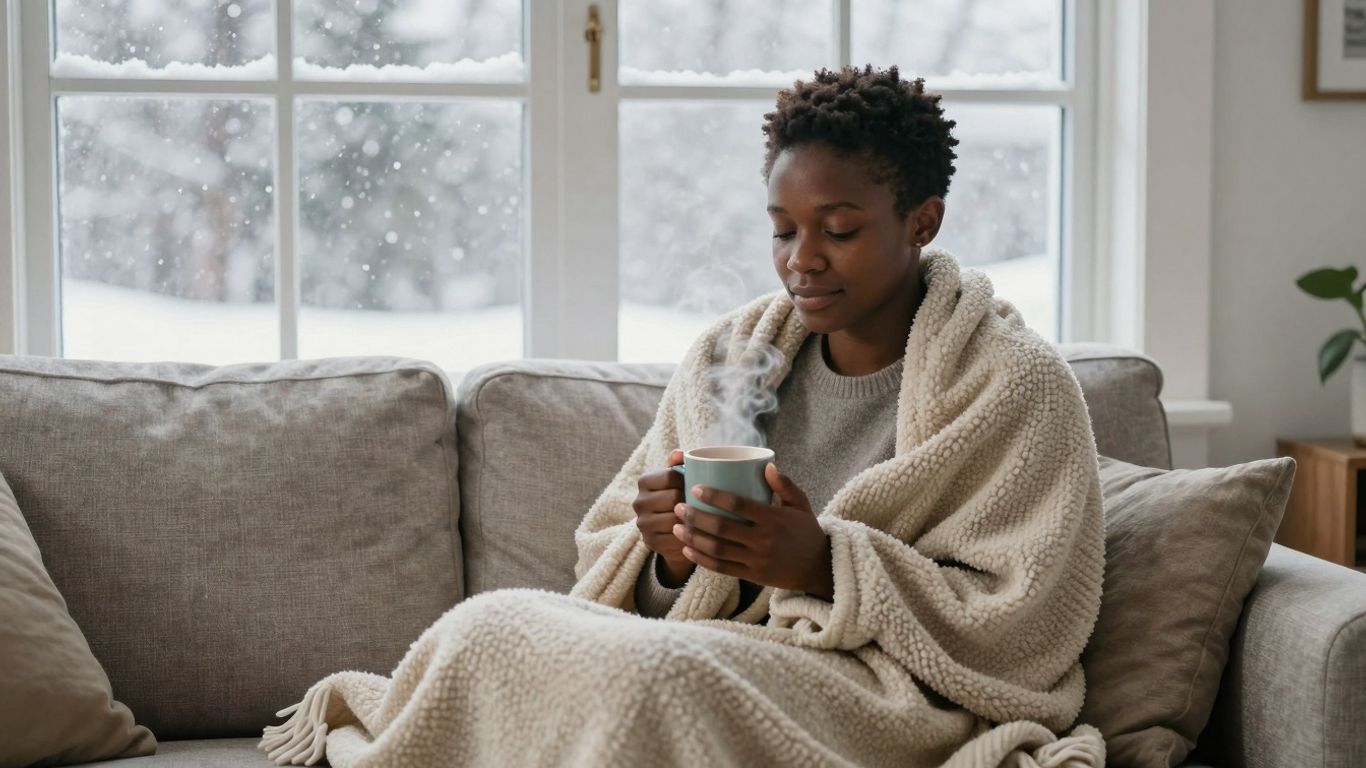
When the temperatures drop, we need to think about more than just staying warm. The cold can really affect our health, and some people are more at risk than others. It's important we all take steps to stay safe.
Preventing Carbon Monoxide Poisoning
One of the biggest dangers we face indoors during winter is carbon monoxide (CO) poisoning. This happens when fuel-burning appliances, like boilers, gas fires, or even faulty chimneys, don't have enough ventilation or aren't working correctly. CO is a colourless, odourless gas, so we can't detect it ourselves. Having a working carbon monoxide detector is a simple but vital step we can all take. We should also make sure our heating systems are serviced regularly by qualified professionals. It's worth checking that any vents or flues aren't blocked by debris, especially after strong winds or heavy snow.
Here are a few things to keep in mind:
- Regularly service your boiler and gas appliances.
- Ensure chimneys and flues are clear of obstructions.
- Install and test carbon monoxide alarms.
We often hear about tragic incidents linked to faulty heating systems in winter. Taking preventative measures isn't just about comfort; it's about protecting ourselves and our families from a silent threat.
Mitigating Risks For Vulnerable Populations
While the cold affects everyone, certain groups are more susceptible to its dangers. This includes the elderly, very young children, people with existing health conditions (like heart or lung problems), and those who are already struggling financially and may not be able to heat their homes adequately. People who work outdoors for long periods or those experiencing homelessness are also at higher risk of cold-related illnesses such as hypothermia and frostbite.
We need to be mindful of these groups and consider how we can support them. This might involve checking on elderly neighbours, ensuring local shelters are equipped for the cold, or raising awareness about available support services. For those on lower incomes, the cost of heating can be a real worry, leading them to keep their homes colder than is safe, which can worsen health issues. It's a complex problem that requires community awareness and support.
Looking Ahead
As we've seen, keeping our homes warm and safe during the winter isn't just about comfort. It's about looking after ourselves and our neighbours, especially when the weather gets really bad. Simple checks and a bit of care for our houses can make a big difference to our health and well-being. We all want to get through the cold months without any serious problems, and by paying attention to our homes, we can help make that happen for everyone in our communities.
Frequently Asked Questions
Why is it important to check our roofs and chimneys before winter?
We need to make sure our roofs and chimneys are in good shape before the cold weather hits. Cracks in chimneys could let embers escape and start fires, or let smoke into our homes, which isn't good for our health. Similarly, if our roofs or gutters aren't fixed, water could leak into the house instead of flowing away where it should.
What's the main reason proper insulation is so crucial in winter?
Having good insulation is really key because it helps keep our homes warm without using too much energy. Many older homes can be quite drafty, so adding or improving insulation makes them safer and more affordable to heat. It’s also a good idea to seal up gaps around windows and doors to stop the cold air from getting in.
How can we stay safe from dangers like carbon monoxide during winter?
We must be careful with our heating systems, especially those that use fuel. Sometimes, these don't work right or aren't properly ventilated, which can lead to carbon monoxide poisoning. We should always check that our heaters are working correctly and, importantly, get a carbon monoxide detector to have an extra layer of safety in our homes.